There are some roles certain people are destined to do – jobs that are not paid, but the workers are driven by something else: determination, awareness, compassion. The reasons are endless and can be very personal.
A Matakana couple have not only volunteered their time for their mission – rehabilitating native birds – they have developed a purpose-built hospital to give injured and sick native birds a second chance.
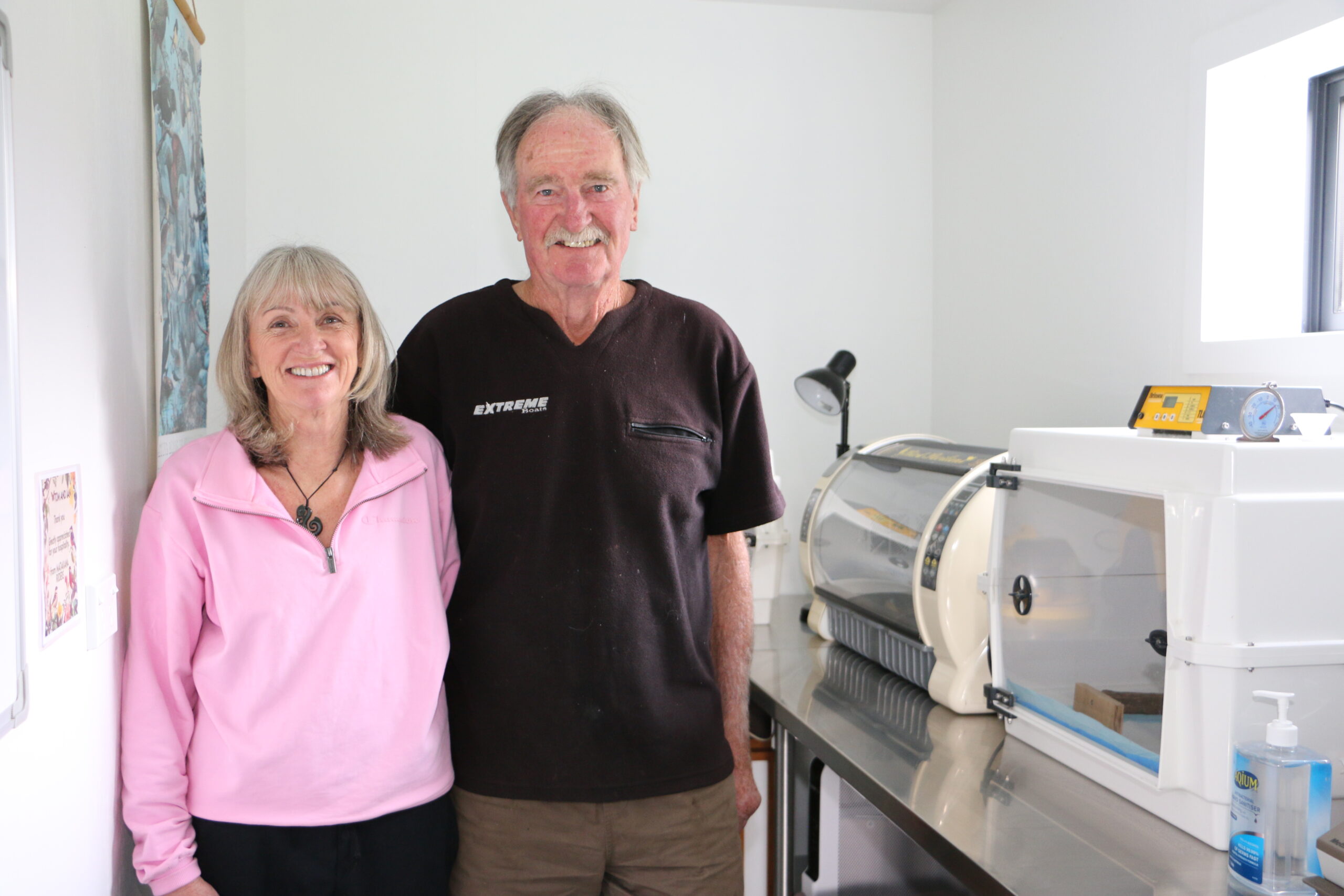
Takatu LandCare members, Tomarcelle (Tom) and Ian Miller, have cared for birds for years, initially rescuing pet birds, but since 2021 they have focused on rehabilitating native birds that are taonga to Aotearoa New Zealand.
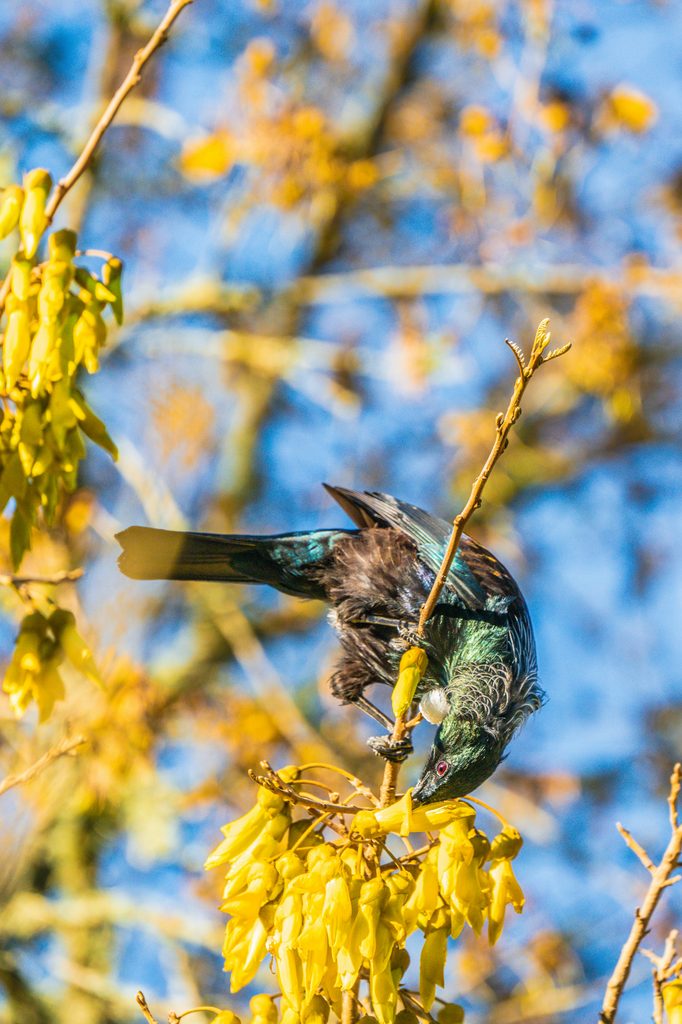
“I love this work, caring for native birds,” says Tom. “Last year there were so many birds – baby kingfishers, baby kerurū and baby tūī. We focus on native birds, rather than introduced birds like sparrows and thrushs, because we need every piece of equipment to rehab our taonga species.”
Plant more native trees for more native bird food
With successful predator control, the Millers have seen increased birdlife and there are times when they are struggling to find enough food.
2025 was a bad season for the native berries that sustain the bush birds and during springtime, there is not much fruit around.
Kerurū are hungry and they will strip kōwhai trees and hibiscus bushes of their buds, which maintains them but they lose condition.
“Last season, people were just walking up to kerurū on the ground and picking them up. They were too weak to fly away,” says Ian.
The Millers urge people to plant more native trees to increase the food sources for our bush birds. The Department of Conservation (DoC) has good information about plants that feed native birds, including a calendar that identifies seasonal food producers.
“We are doing it here, planting more kōwhai, because this spring, the birds have already stripped the kōwhai buds in our garden,” Tom says.
Permitted to care for more native birds
Nursing a native bird back to health, so it can be returned to its natural habitat is not something anyone can do. As well as having the time, knowledge, resources and facilities, a rehab centre needs a permit from DoC.
The Millers keep detailed records about every native bird that is in their care: where it was found so it is returned to the same place when ready to be released, assessment details, treatment provided, outcomes and more.
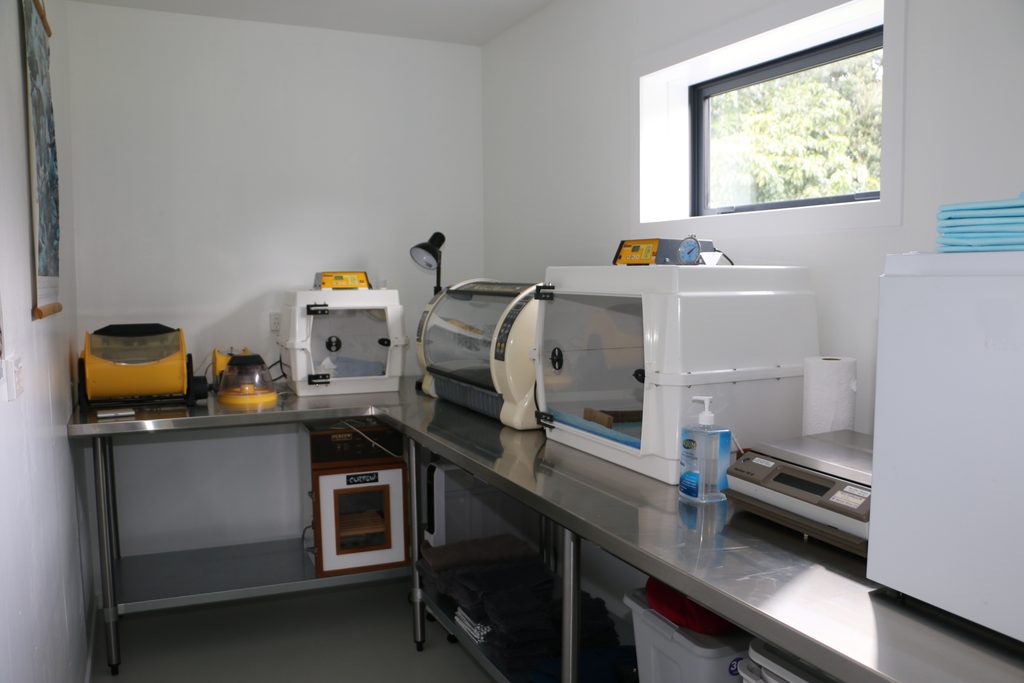
Right: Intensive care unit in Native Nest’s new hospital.
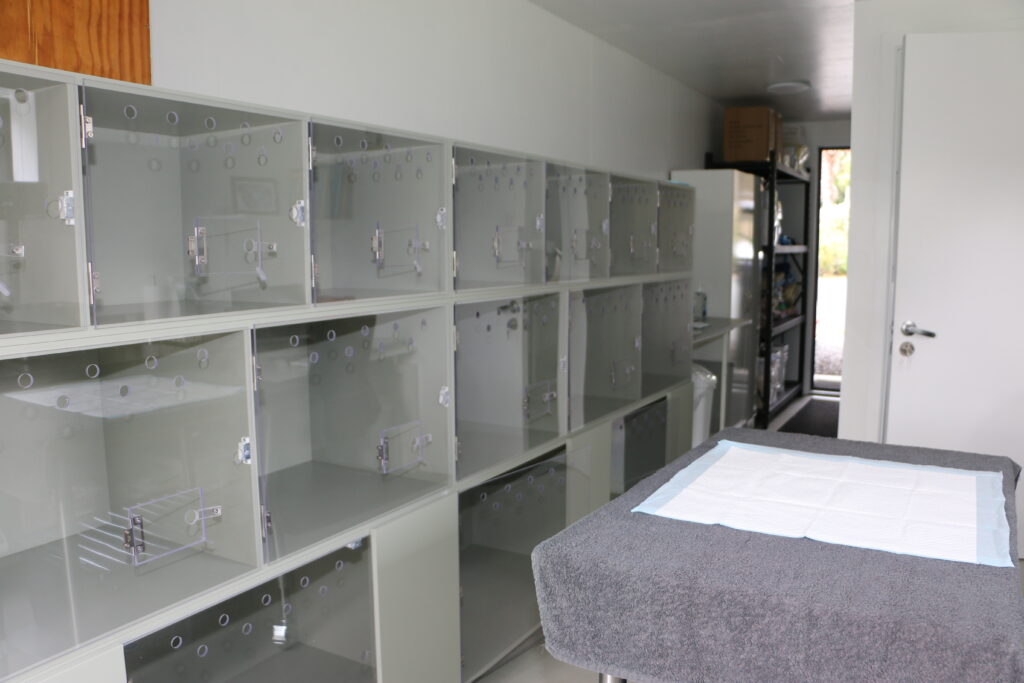
The brand-new hospital has brooders (cage enclosures) for different sizes of birds, including kiwi, which they recently gained a permit to care for.
“We can control the temperature and humidity, mimicking what it would be like for a chick sitting under its parent if it was still in the nest,” says Tom.
Before the hospital was built, the Miller’s garage was full of cages and it wasn’t ideal.
“We were doing a good job but it was under constrained circumstances. We think birds will rehabilitate faster in the new hospital. It is good for the birds and for us,” says Ian. Plus – he has his garage back. Tom promised to forego 10 to 15 years of birthdays and Christmases to help fund the bird hospital. They can also have volunteers now, which might let them take a holiday.
Rehabilitation can require two-hourly feeding from early in the morning until late at night. Tom often sleeps on the couch with her alarm set to wake her every couple of hours for feeding time.
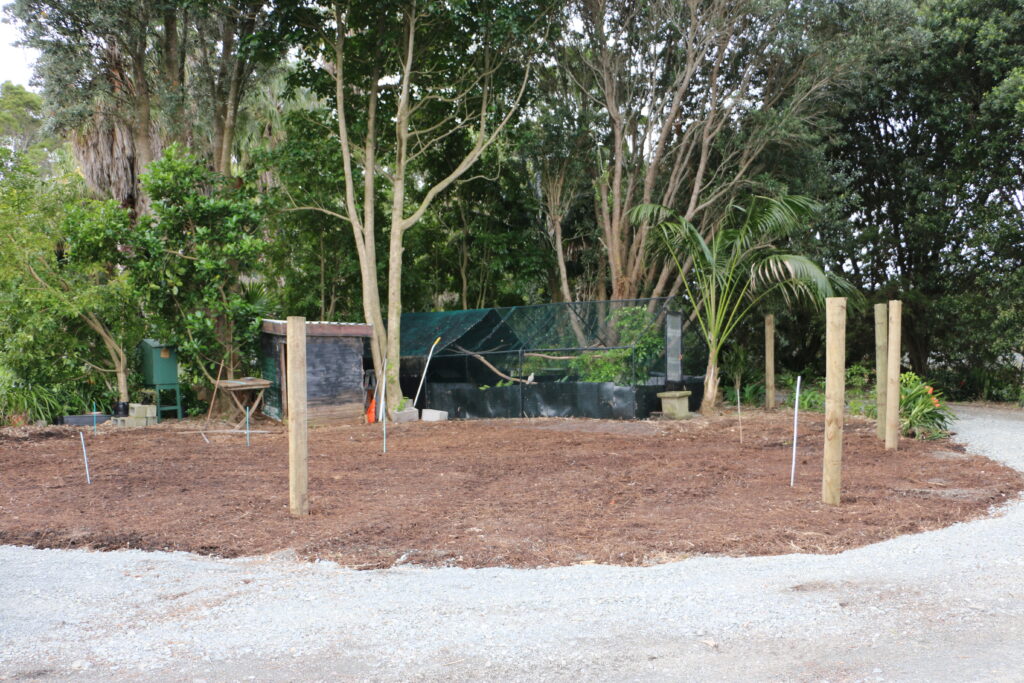
When the hospital is completed, a separate enclosure will be developed more critically endangered shore and sea birds. DoC need to inspect the facilities, but Tom and Ian are experienced and have access to equipment and resources from around New Zealand.
“The Leigh Penguin Project desperately needs a place here, and I am going to the Native Bird Rescue of Waiheke Island to do some training,” says Tom.
Right: Area being prepared for future sea and shore bird rehab area at Native Nest.
Some birds require months of care and there’s no cuddling or petting to ensure the wild birds retain their wild instincts. Feeding is simple – door open, food in, door closed. Sometimes a cloth is used to prevent the bird from seeing Tom and becoming attached to her. When the bird has returned to full health Ian and Tom return to where it was found and release it back into its natural habitat.
“I leave bawling like a baby, especially when releasing kerurū,” says Tom. “So often I’ve taken them back and their mate or parent has flown in within seconds.”
Why do birds end up at Native Nest?
“We [humans] mess around with nature – putting up glass balustrades and installing large picture windows that the birds crash into, especially kerurū,” says Ian.
A simple solution can be to closed blinds or curtains, put stickers on large expanses of glass or use different balustrade systems.
Cats cause injuries and these usually require antibiotics rapidly administered to prevent infection.
Dogs can harm birds, especially kiwi that are now moving around Tāwharanui Peninsula and Ōmaha. The Forest Bridge Trust regularly runs kiwi avoidance training for dogs.
Native birds get hit by cars and we all need to be aware in areas where ruru and kiwi move about at night.
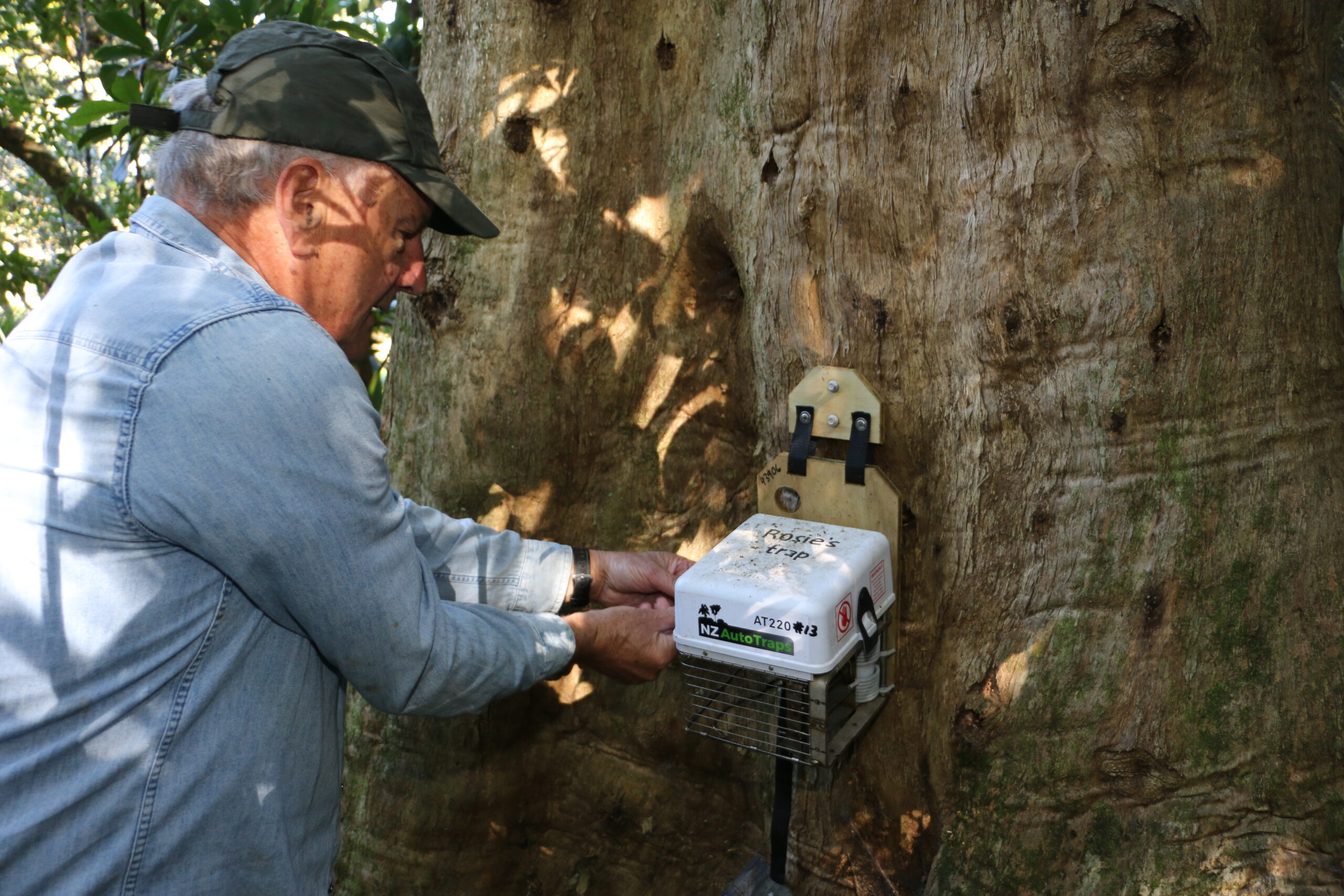
The Millers are enthusiastic trappers, controlling any predators and protecting native birds that wander or fly around their property. We can all help protect native birds by controlling predators around our homes.
What about bird flu and New Zealand’s native birds?
Tom and Ian have been involved in regular meetings with DoC and the Ministry for Primary Industry (MPI) about avian influenza (H5 bird flu).
The guidelines are: If you see three or more sick or dead wild birds in a group, report it immediately to Biosecurity New Zealand’s Exotic Pest and Disease Hotline on 0800 80 99 66 or online at report.mpi.govt.nz.
Do not touch dead or sick birds or pick them up.
Do not take sick birds to DOC offices or wildlife rehabilitation centres.
“We’re being really careful and watching what’s happening. What we want people to do is ring the hotline on 0800 80 99 66.”
How you can help Native Nest
Donations are always welcome.
If you have fresh pūriri or karaka berries that are not being eaten at your place, the Millers could use them.
Clean hand towels that are not good enough for people but will suffice for a rehabilitating bird.
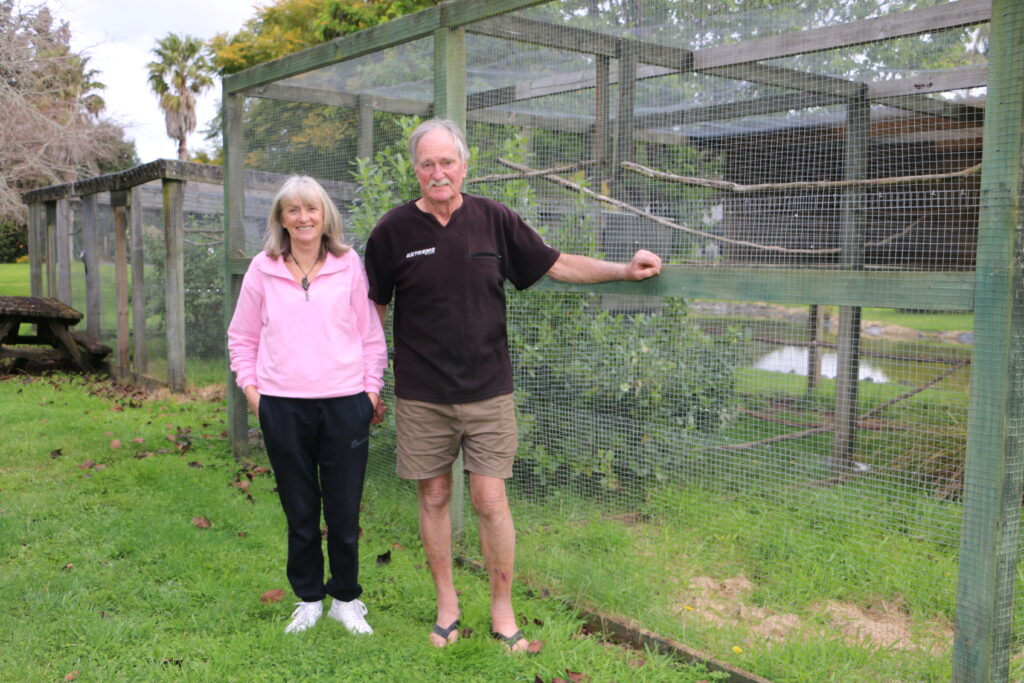
“When those feel-good moments happen – that’s a lot of our motivation to do what we do. It keeps us revved up and wanting to keep going,” says Ian.