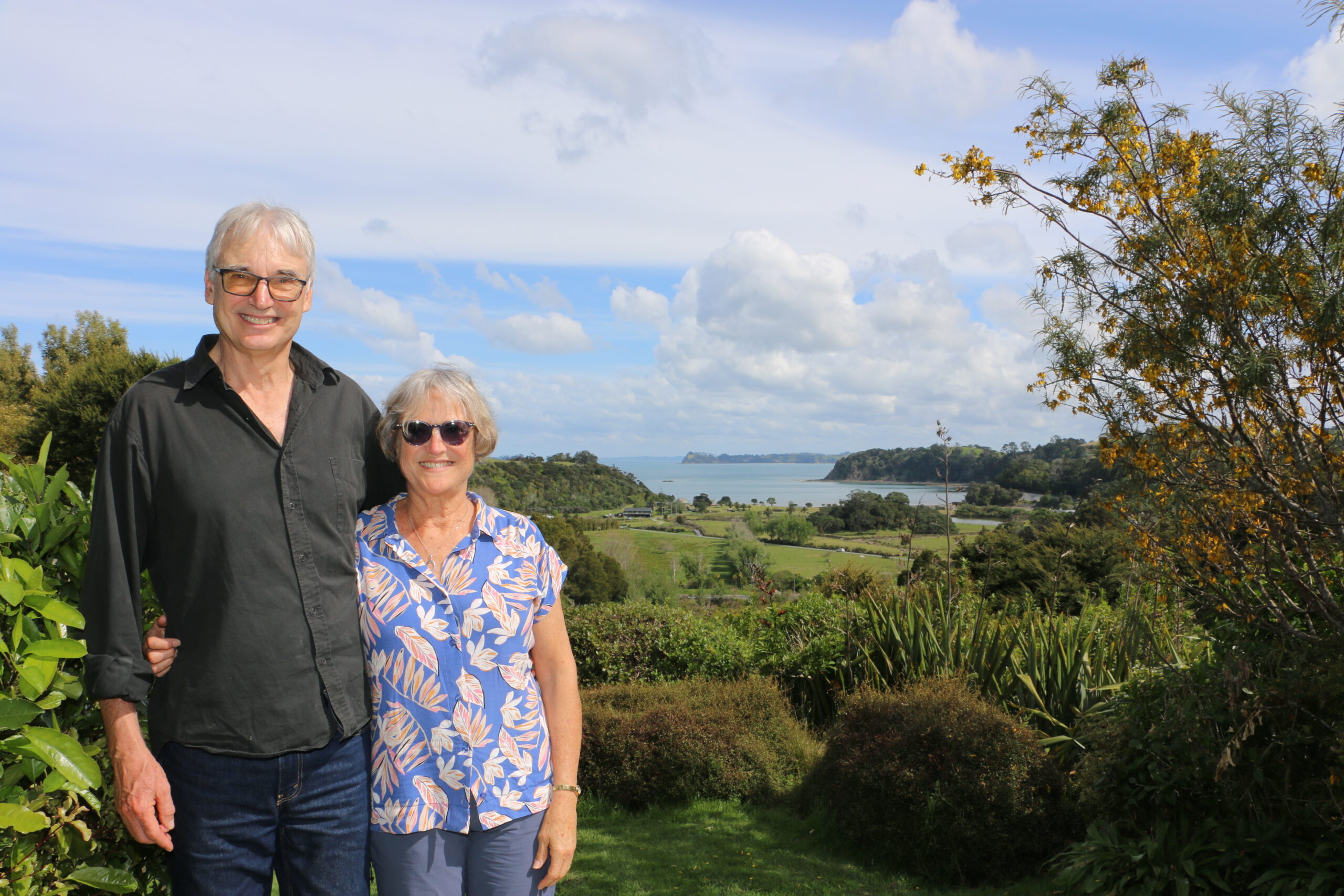
A shared purpose, collective action and great morning teas have knocked back invasive weeds at Christian Bay and enabled native bush to regenerate without the need for significant planting. Takatu LandCare (TLC) founding volunteers and committee members, Chris Scott and Kathy Edmonds, bought their Christian Bay property at the end of 2004 and started working on it the following year.
Chris and Kathy’s land was formerly grazed – pasture and patches of bush. Areas had been sprayed and were subsequently overrun with weeds. They started out with a bounty on ragwort, paying their children and their friends about 10 cents per plant, but there were so many ragworts that they had to reduce the rate. Within a year, about 10,000 ragworts were culled to about 100.
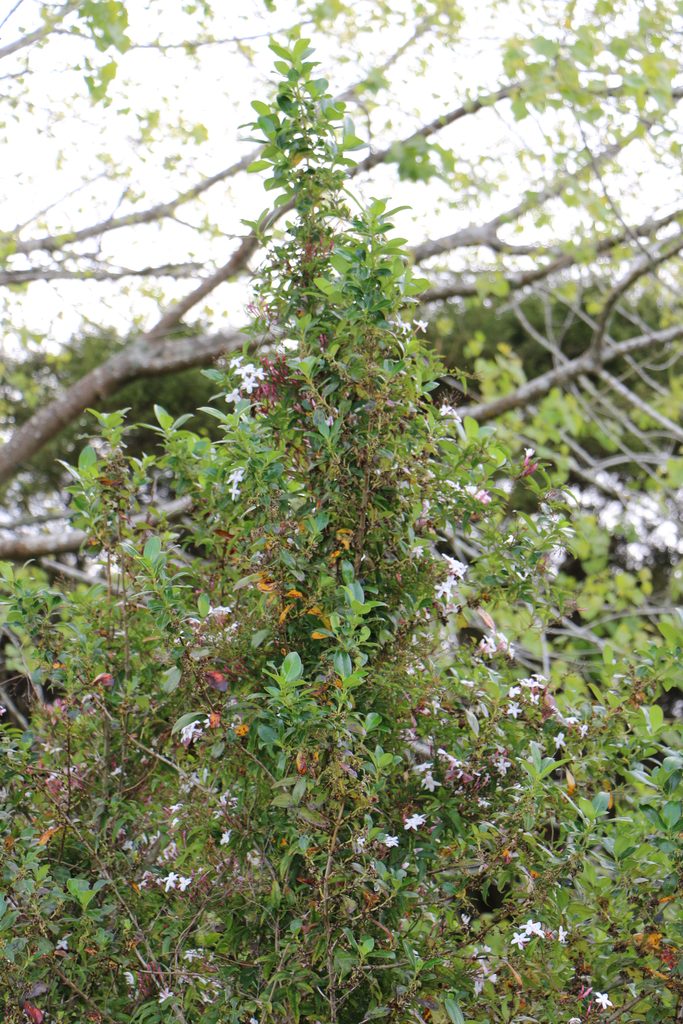
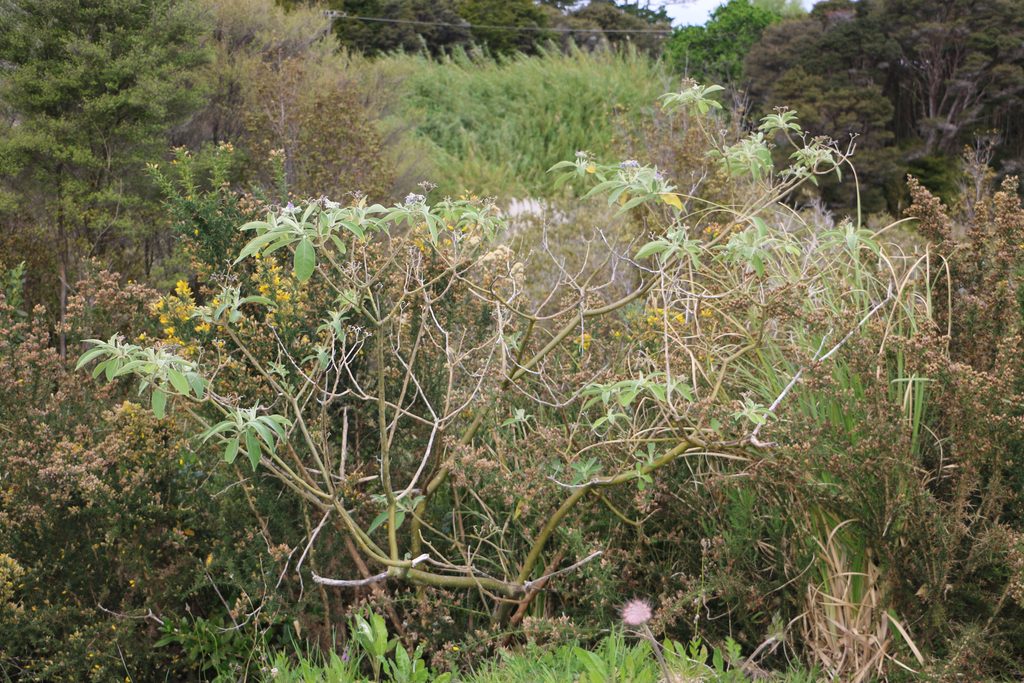
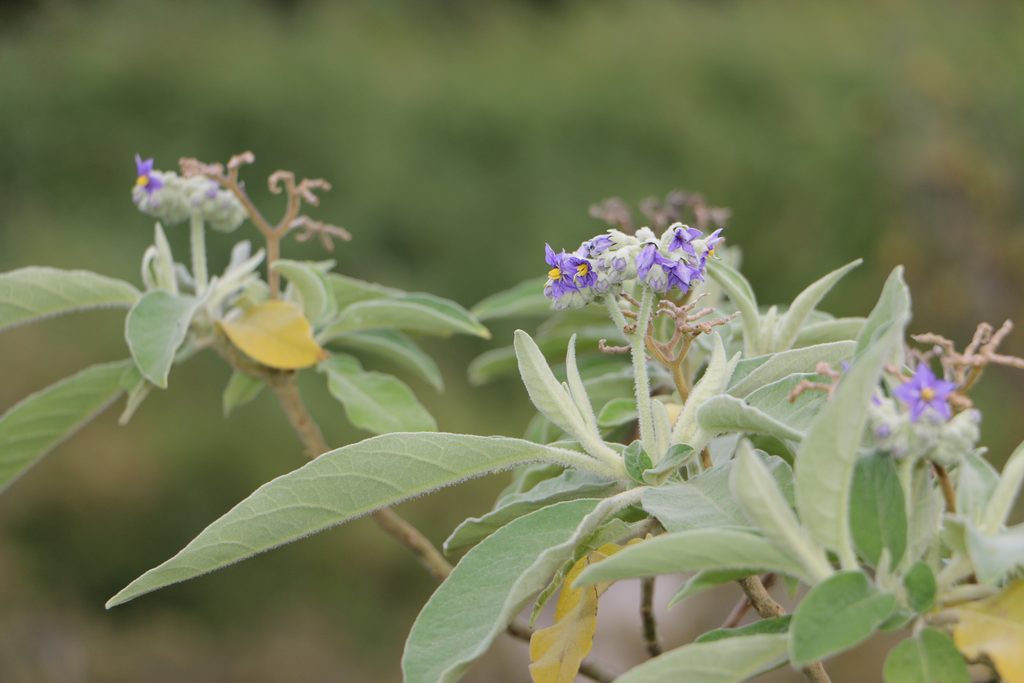
There was a lot of woolly nightshade (pictured) and Kathy specialised in controlling the fast-growing member of the Solanaceae order, which can grow up to 10 metres tall.
Chris had experience from another property and they successfully use a ringbarking technique that only requires a dribble of herbicide to be applied to a V cut around the trunk of the woolly nightshade, while leaving the tree standing.
This kills the plant and stops the berries or seed from being viable. There is minimal disturbance of the plant and its nasty dust, pollen and fine leaf hairs are less likely to trigger respiratory or skin irritations.
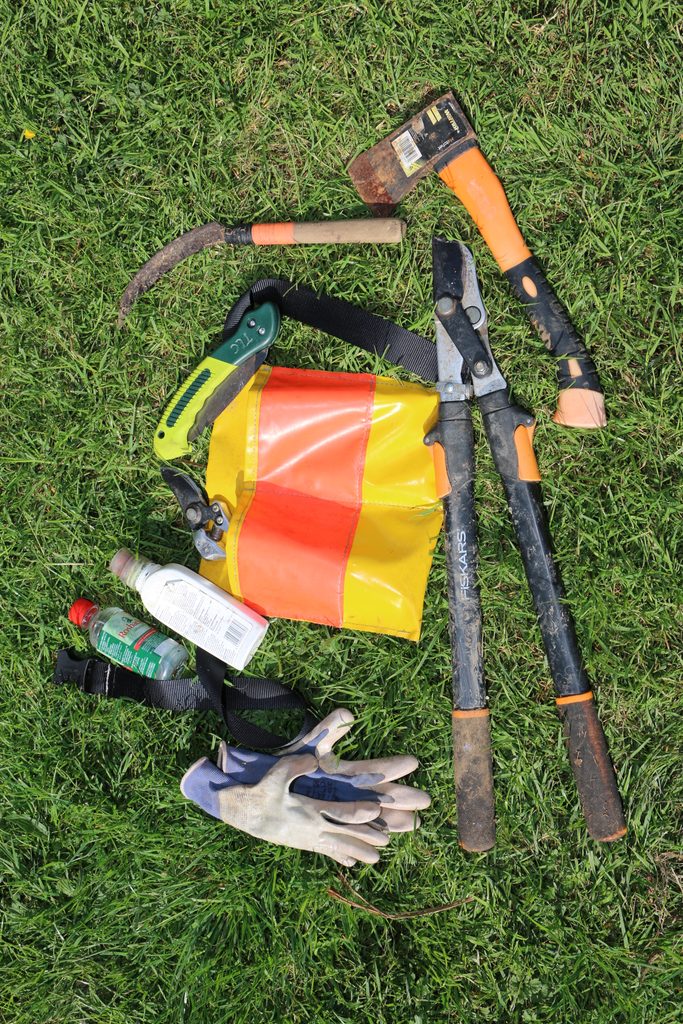
There was a pine plantation on Chris and Kathy’s property and their neighbours’. When they were removed the first thing that grew was gorse. Kathy mastered her control technique, using loppers and a trigger spray to reach further into the prickly pest plant.
“We’ve experimented here, on how we’ll manage its development,” says Chris. ‘We’ve read how to eradicate the weeds and learned what works.”
Now, they only need to check for woolly nightshade about once a year. Kathy uses binoculars to keep an eye on the pest plant she has treated throughout the valley to the south of their house. She celebrates those that start to die off and can see any she has missed. However, it’s not always easy to find the weed once she is in dense bush.
“When I see a green woolly nightshade, I target it and try to take a position of where it is. I go back into the bush, up hills and along tracks until I find it. Sometimes I find a clump of them. It’s quite fun.”
Kathy Edmonds
Native plants arrive with the birds
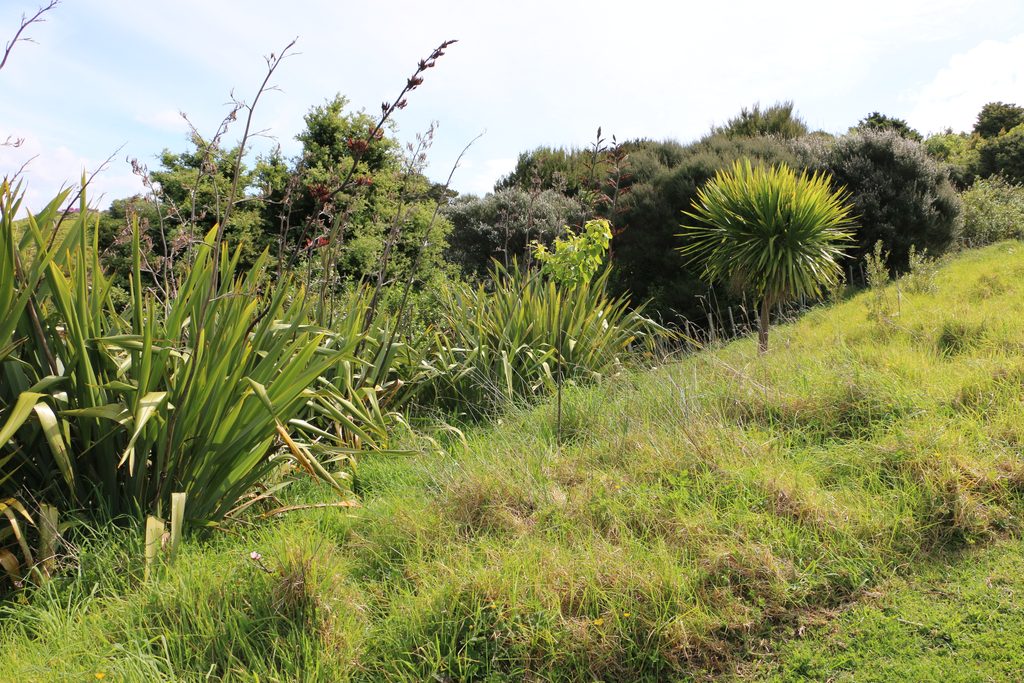
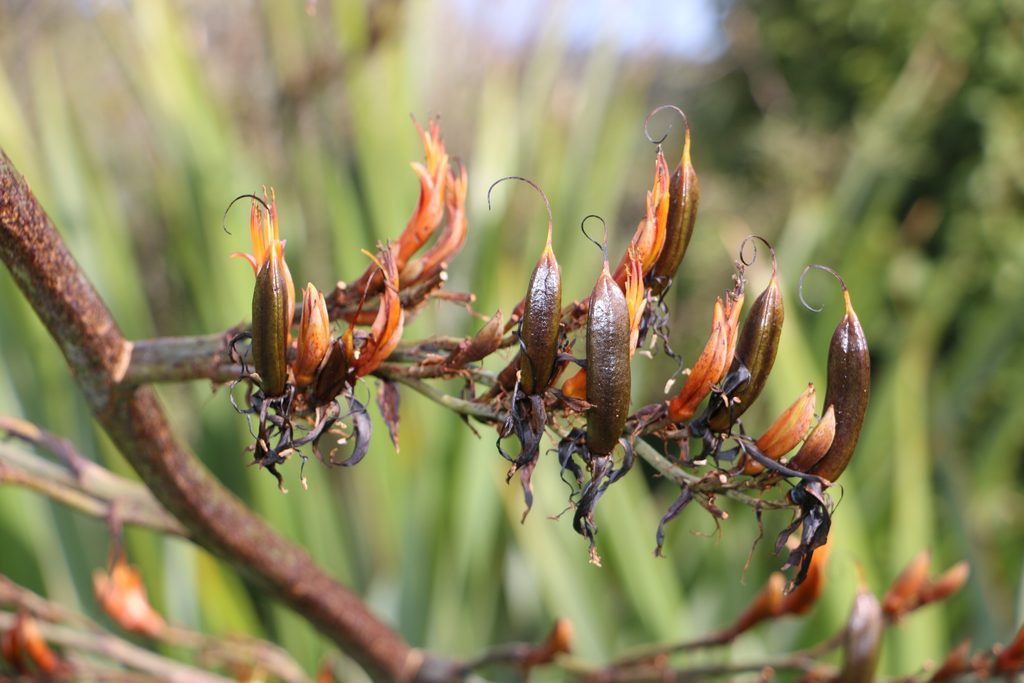
Where Chris and Kathy have conducted planting on their property, they decided not to spray the land before planting. Instead, they cut away kikuyu grass and plant into it with species that will outcompete the kikuyu: māhoe, coprosma and flax.
“Even if they get smothered by the kikuyu, they will still come through, whereas mānuka and kānuka need light so you have to make sure it’s completely clear,” says Chris.
Māhoe, coprosma and flax create shade, which kikuyu can’t grow in, and the natives attract the birds.
By introducing a few key plants and controlling specific weeds, birds have spread seed (the good stuff) via guano and sticky seeds. Chris estimates that while they have planted about 1,000 plants – birds have delivered about 10,000 native plants to their property.
Birds are attracted to woolly nightshade and by leaving the dying bushes standing it avoids creating a mess and provides a perch for the feathered seed spreader.
“There’s always native seedlings underneath it,” says Chris. “Go back a year later and there will be māhoe growing where the woolly nightshade once was.”
There is now great diversity throughout the bush and letting the birds do the work has been more successful than Chris anticipated.
“When I wander around, I am amazed to see all the seedlings – pūriri, taraire and rewarewa. We’ve got tawa here, which is interesting to see them popping up on their own.”
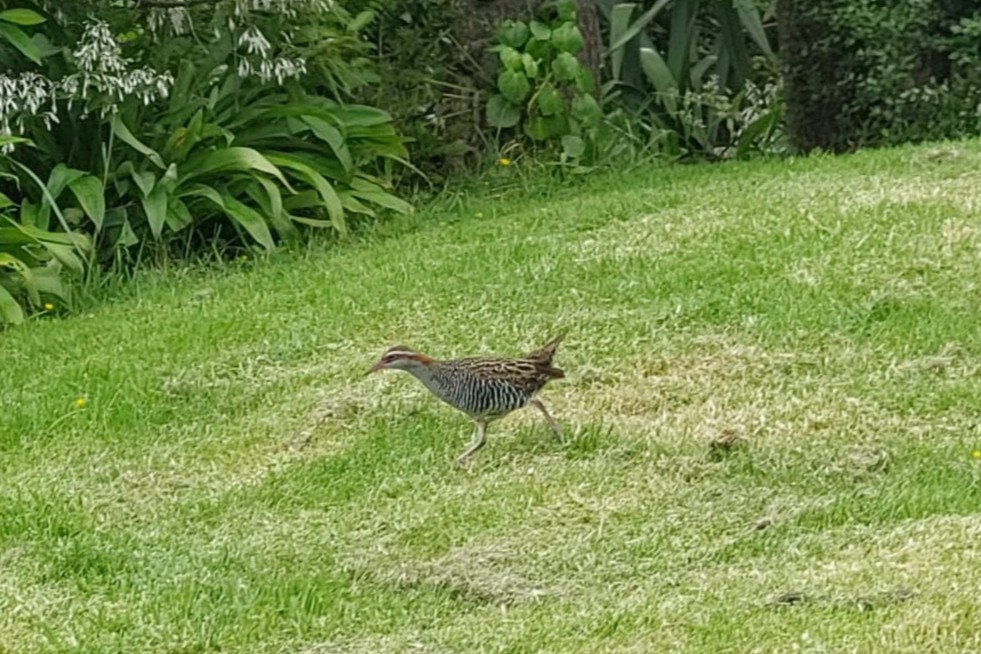
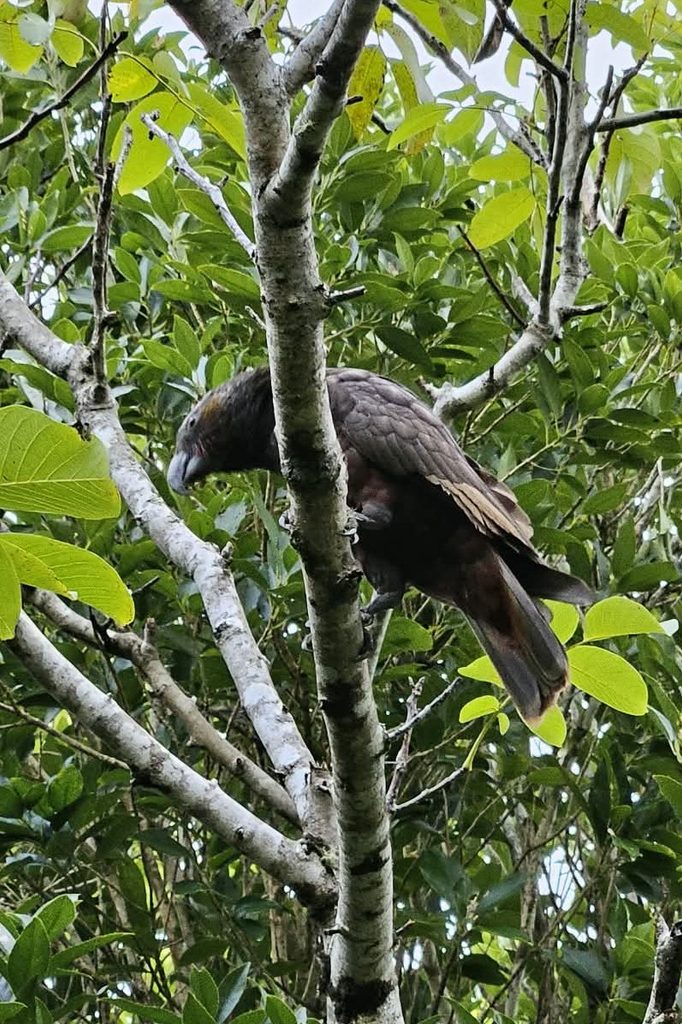
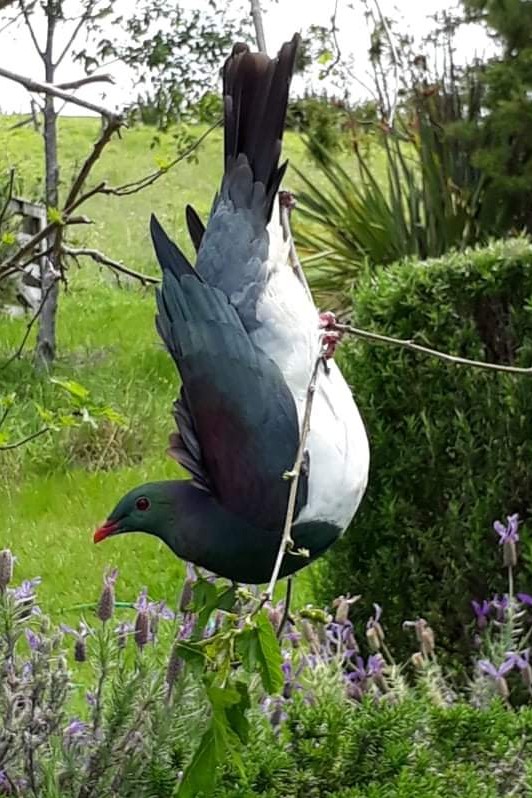
Chris keeps a record of all the birds they have identified on their property and he is nearly up to 40 different species, including kiwi, kākā, bellbird/ korimako, banded rail/moho pererū (pictured), kingfisher/kotare, shining cuckoo/pīpīwharauroa, kererū and introduced kookaburra.
“We can see we are making a difference. Woolly nightshade is quite satisfying because you can see the difference you make. With the birds spreading seed and the seedlings popping up – it’s one of the best weeds to control.”
Chris Scott
Community effort throughout Christian Bay
In 2011, landowners at Christian Bay were approached by Auckland Council to help create a buffer zone to protect the ecosystem beyond the predator fence at Tāwharanui Regional Park. Volunteers collected data about target weeds and locations, and Council funded weed control contractors to increase protection throughout the buffer zone.
“Problem plants were listed,” says Chris. “Woolly nightshade, climbing asparagus, gorse, pampas, honey suckle and a bit of ginger.”
In 2012, Takatu LandCare (TLC) was founded and it became the umbrella organisation for well-established weed control and trapping activities at Campbells and Baddleys Beaches. Christian Bay is a more rural area and there were fewer connections between landowners. TLC brought the Christian Bay group together for a landscape scale effort to control weeds and predators.
“In the beginning, everyone from the wider TLC region came to the working bees and we all worked on each other’s areas,” says Kathy. “After a while we concentrated on our own areas.”
Now, Christian Bay landowners support one another, arranging working bees on different properties to tackle target weeds.
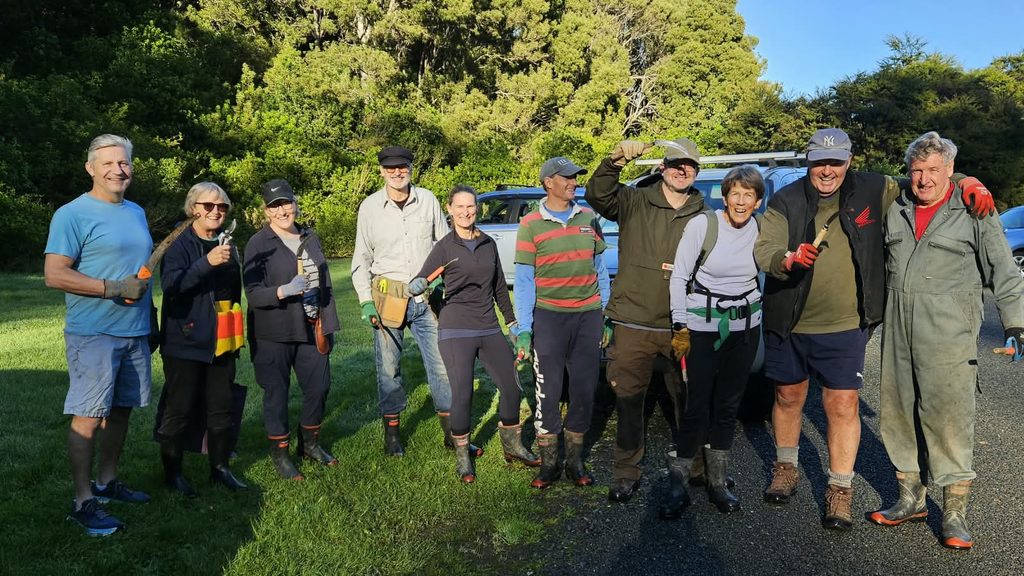
Other TLC members, including Katherine Faire and Ben Barlow, help coordinate the weeding working bees which include a keen group of neighbours who genuinely enjoy the work.
There can be 10 to 20 people and they meet every couple of months with some seasonal variation.
Climbing asparagus is an invasive scrambling perennial vine from southern Africa that is listed under the National Pest Plant Accord in New Zealand. Auckland Council says climbing asparagus “smothers native vegetation and prevents seedling establishment. Reduces native plant abundance and species richness and facilitates weed invasion. May increase erosion through canopy loss.”
Chris works with Christian Bay volunteers to remove the persistent weed using a two-step methodology. They pull it down from trees, pull out what roots will come and bundle it up. Someone goes back later and sprays any regrowth.
“I use a low-pressure sprayer that is very coarse and there’s no mist that could kill everything. I just dribble it onto the climbing asparagus,” says Chris.
The newest and possibly worst weed the Christian Bay group are tackling is moth plant, which has apparently appeared from nowhere.
When infestations were discovered in a few different areas of bush, the volunteers had a series of working bees to pull it out and down from the trees and collect and bag hundreds of seed pods, saving thousands of seeds being spread by the wind.
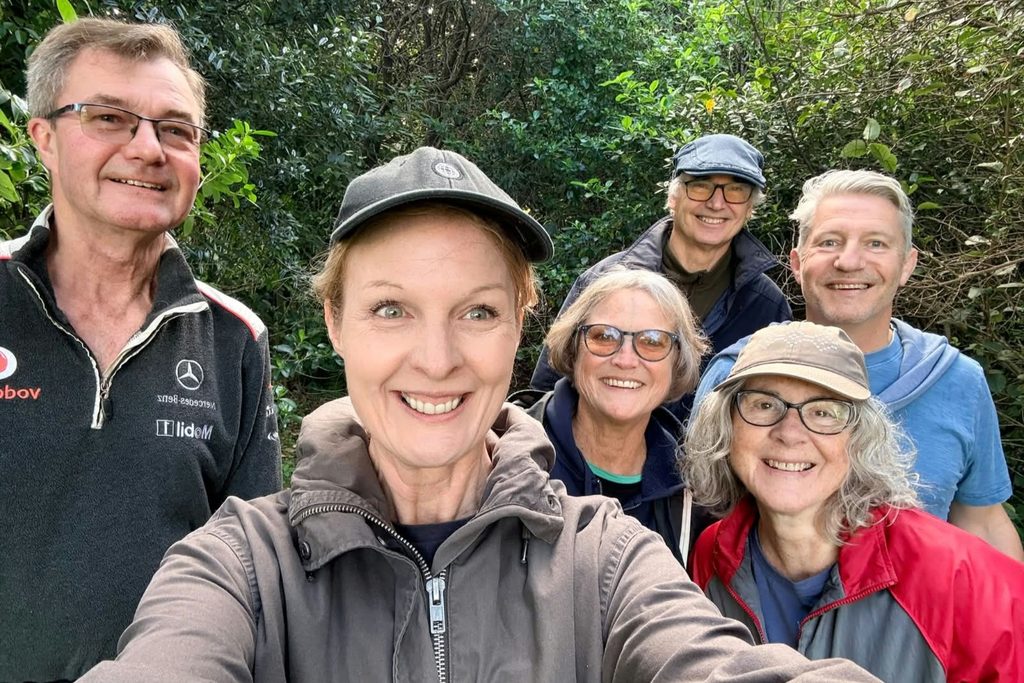
Taking weed control slowly, without too many chainsaws makes it pleasant work, surrounded by birdsong and quiet chatter between volunteers. There are differing levels of experience and working bees are a good way to share knowledge.
“It’s a nice walk in the bush with your loppers, picking up weeds as you go, rather than making a lot of noise, fuss and dust,” Chris says.
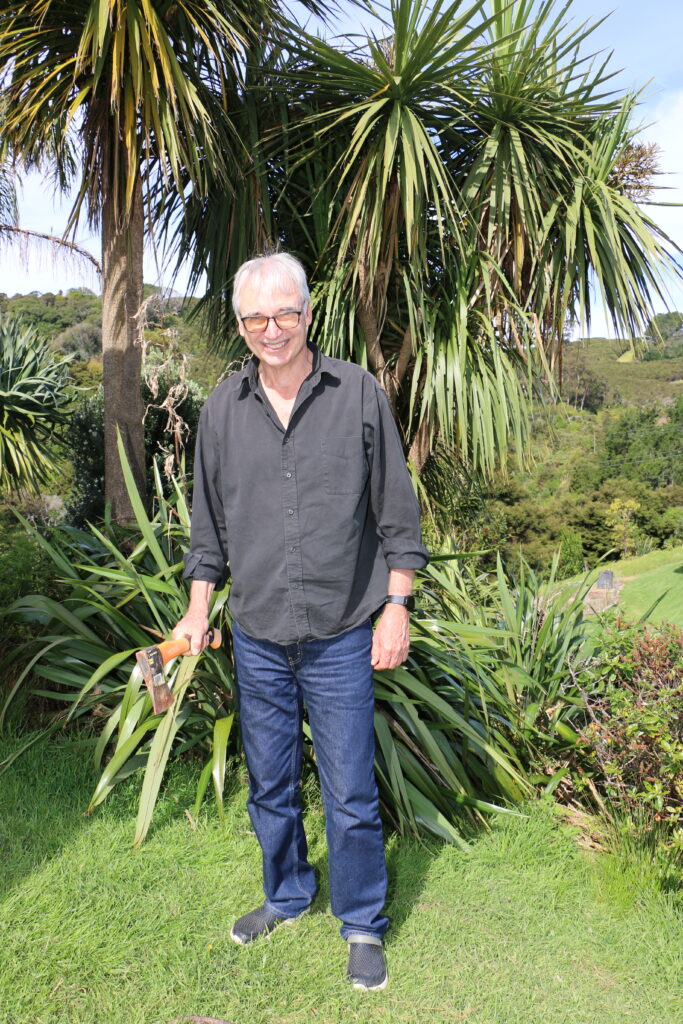
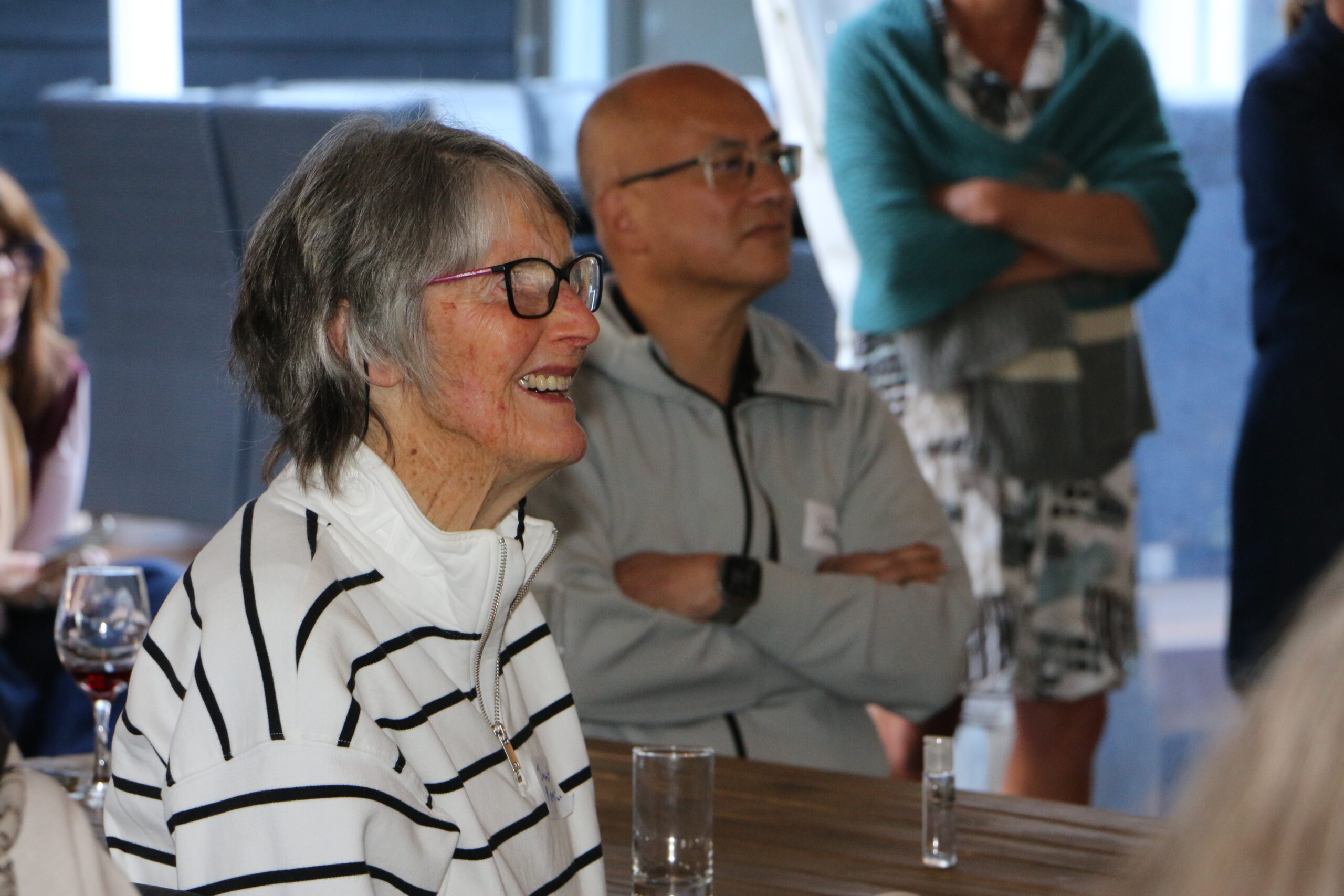
After an hour and a half of work there is always a morning tea that has become a real community catch up. Some people ask when there will be another working bee because they love it so much.
“When you go back a few months later to do your maintenance and it’s all still looking pretty good with only one or two things that need to be done – it’s quite satisfying,” says Kathy.
Takatu LandCare provides weed gels to its members
Members of TLC are provided with herbicides to help them control invasive weeds. These require some instruction to ensure they are used correctly and safely. Trapping mammalian predators is more commonly recognised as essential, but plant pests are often overlooked. They rapidly establish in clear spaces where native plants could be growing and providing year-round food and habitats for native wildlife, microorganisms and fungi. Pest plants can also alter the pH of soil and water, and increase vulnerability to erosion, fire and climate pressures.
The warm and wet climate of the Rodney east is perfect for opportunist weeds to outcompete precious native plants.
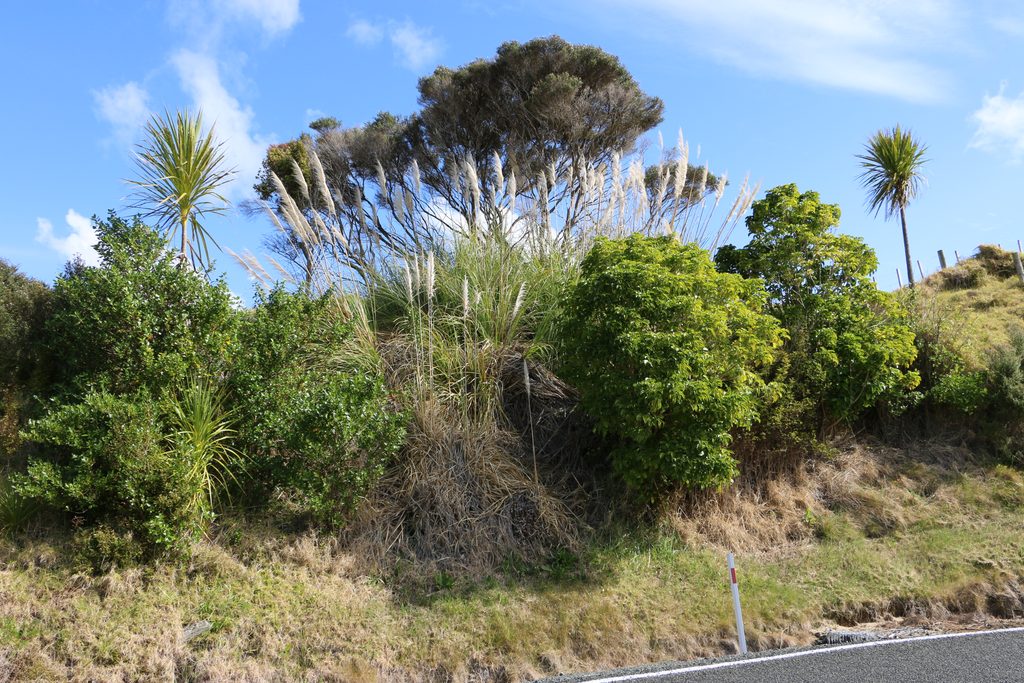
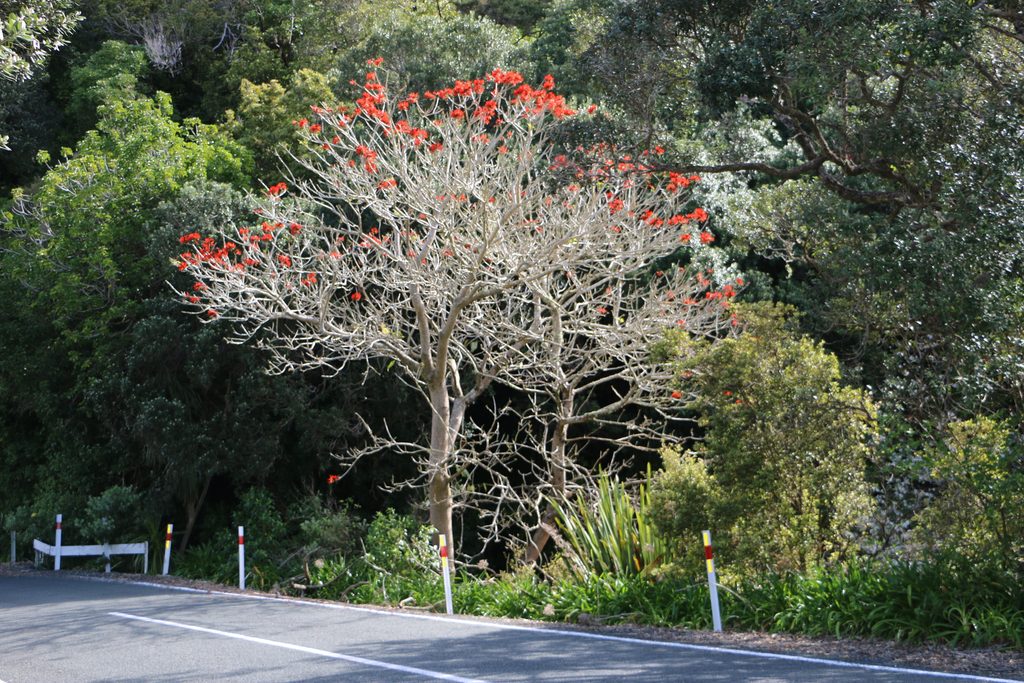
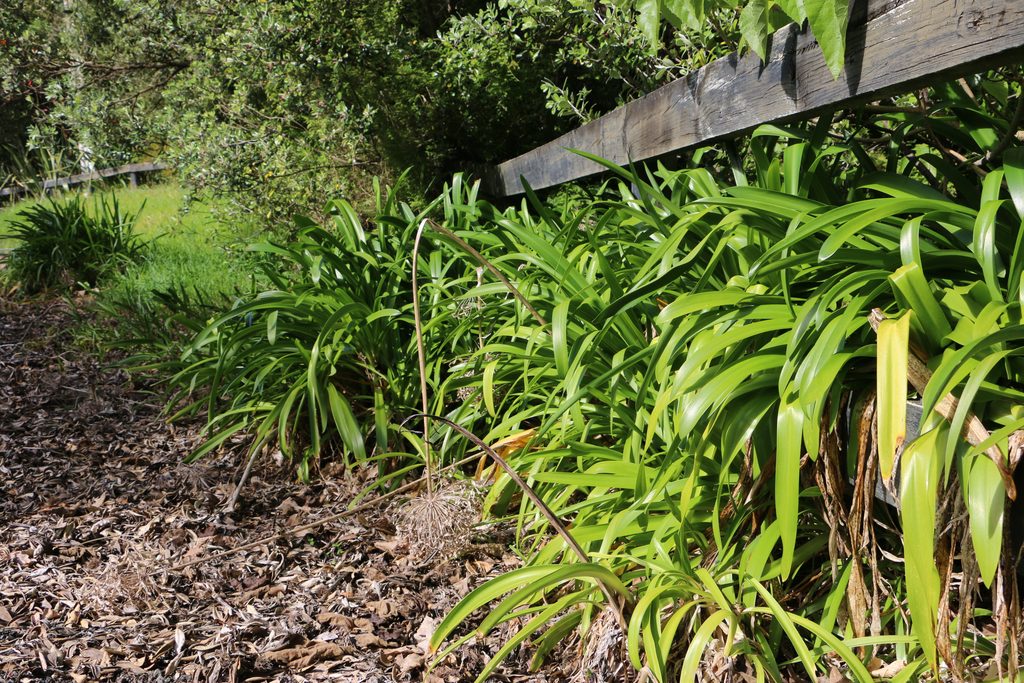
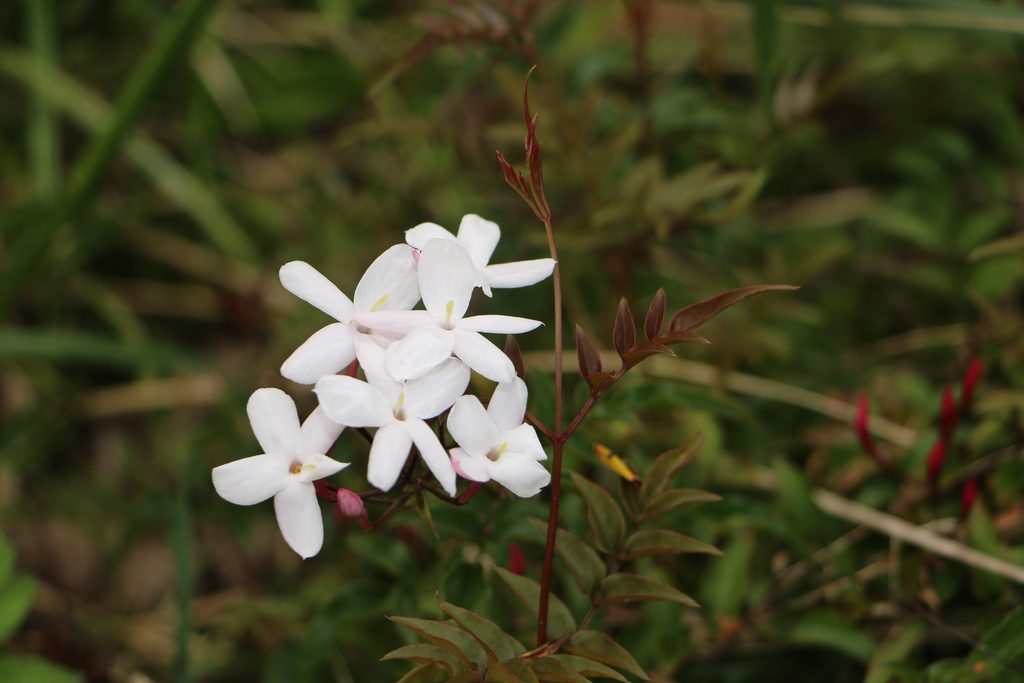
Common weeds on roadsides throughout Tāwharanui Peninsula
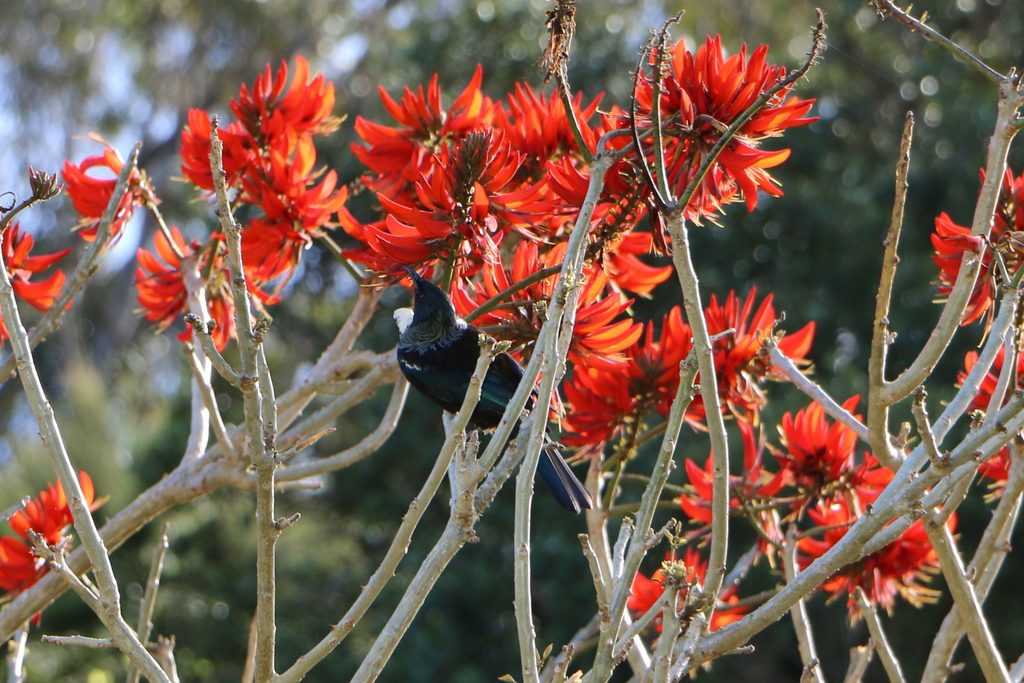
“Manu have evolved alongside native trees and can get all the essential nutrients they need from these plants.” – Zealandia