For nearly quarter of a century Peter Sweeney and his neighbours have looked after the regenerating native bush at Waikauri Bay on Tāwharanui Peninsula.
“There are three core people and several volunteers,” says Peter. “Some people work in the bush every day and there’s one person who is constantly removing weeds such as arum lilies. I am only one of a team of volunteers.”
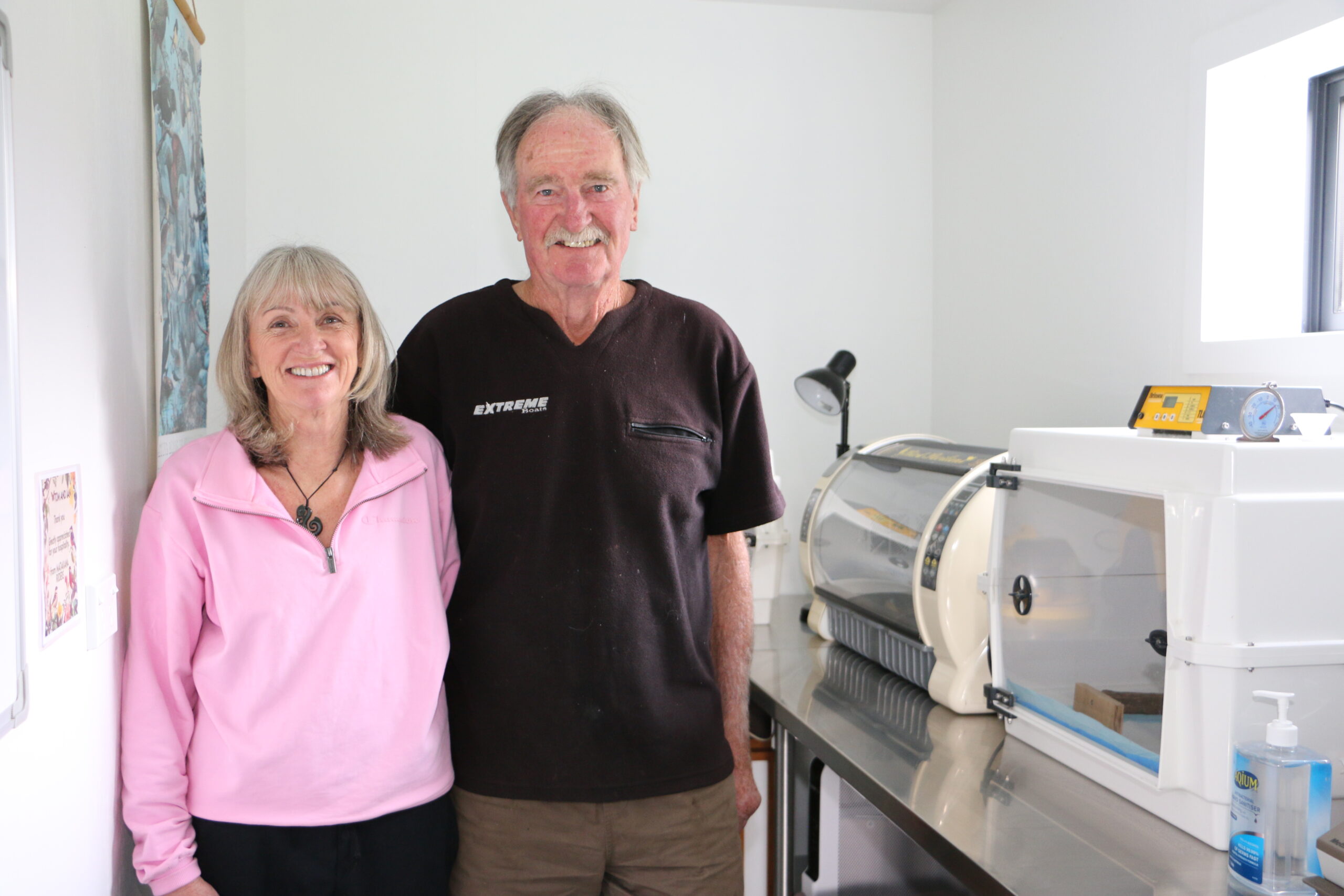
The project was driven by another resident, Rosie Hurdley, but when Peter retired his volunteer contribution really ramped up and trapping mammalian pests has almost become an obsession for him.
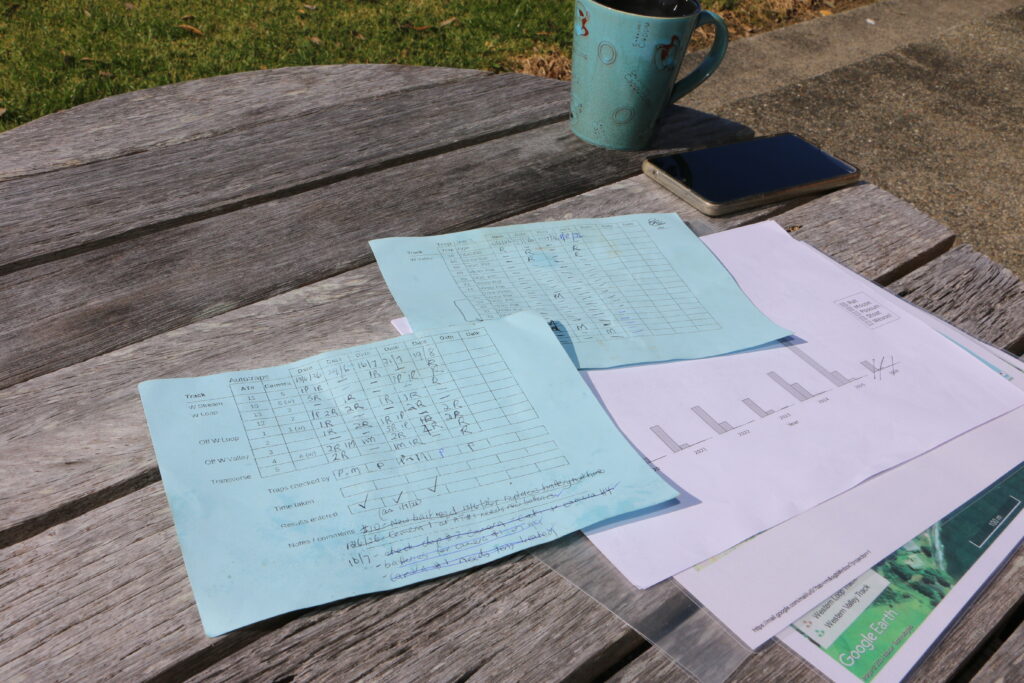
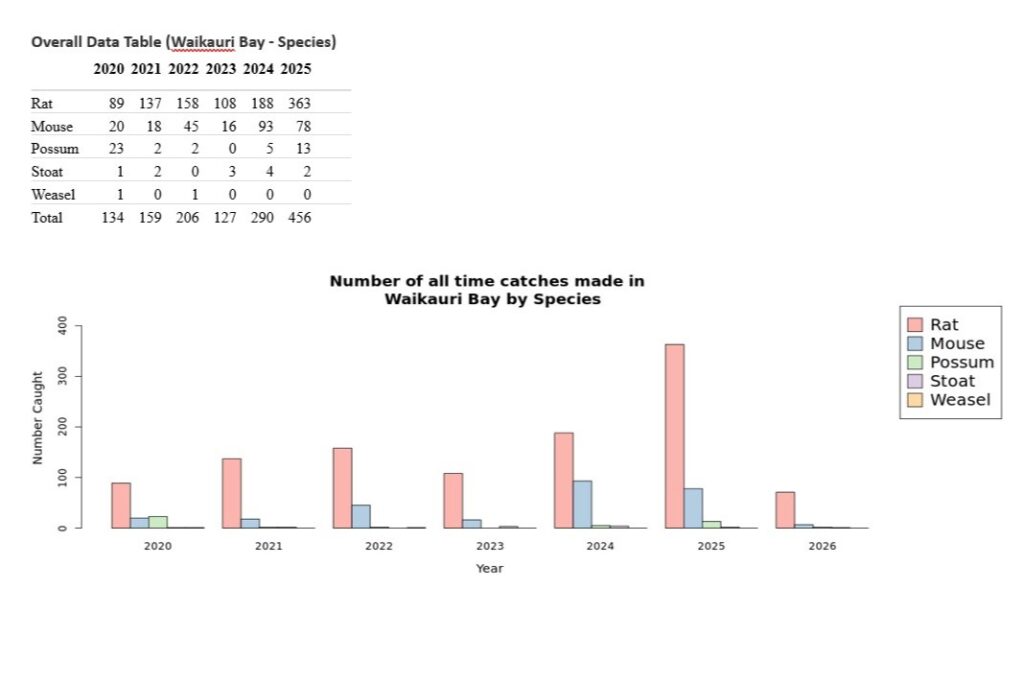
Peter is one of Takatu LandCare’s heroes – maintaining traplines, recording catches through CatchIT and thinking strategically.
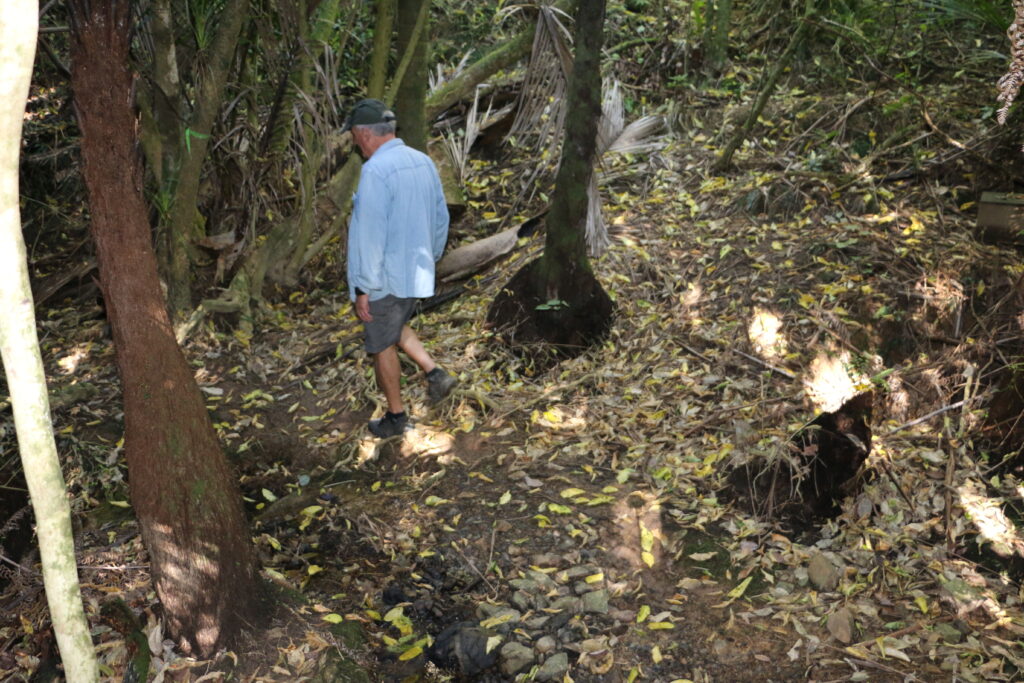
“I love being in the bush,” says Peter. “It’s been partly exercise, partly wanting to make the bush better and leave a legacy for those who come. It’s already a special bay and that’s why I want to make it even more special.”
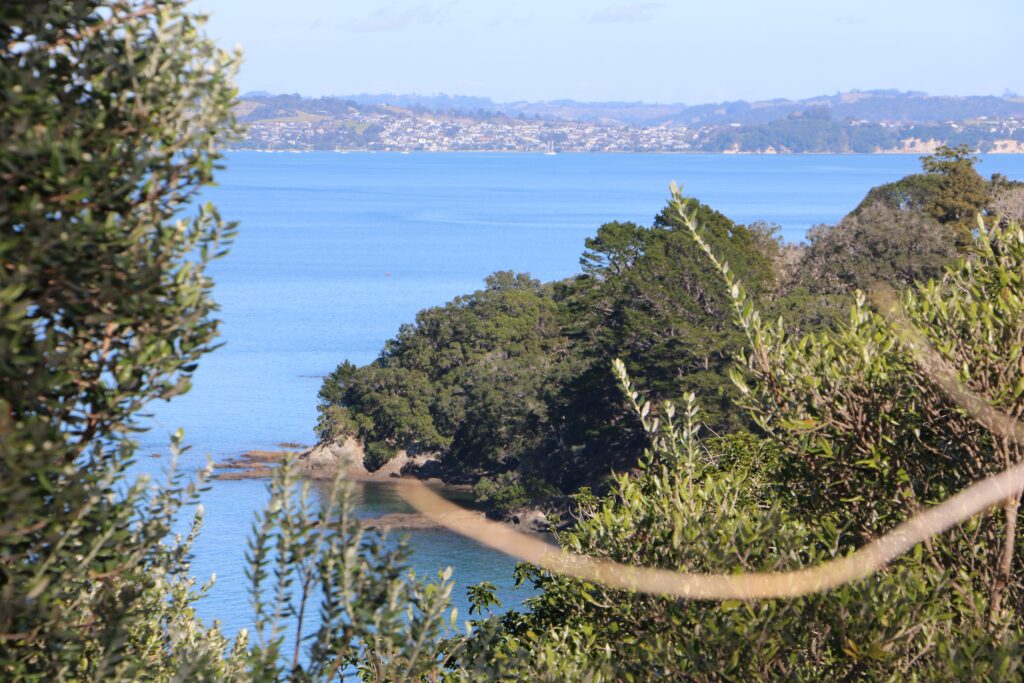
Waikauri Bay is a small community located off Takatu Road and there are five hectares of native bush protected by a QEII National Trust covenant.
“We are obliged to protect the bush from pests – weed and animal – and not develop the land,” says Peter.
Tāwharanui Regional Park is right next door and someone from there started out with a small amount of trapping at Waikauri Bay, most likely to support a buffer zone along the park’s predator fenceline.
Previously, the 16-hectare block was grazed by sheep. Old photos show hills were covered in grass and only steep valleys had small pockets of remnant bush. With the exclusion of stock, the Waikauri Bay bush has returned.
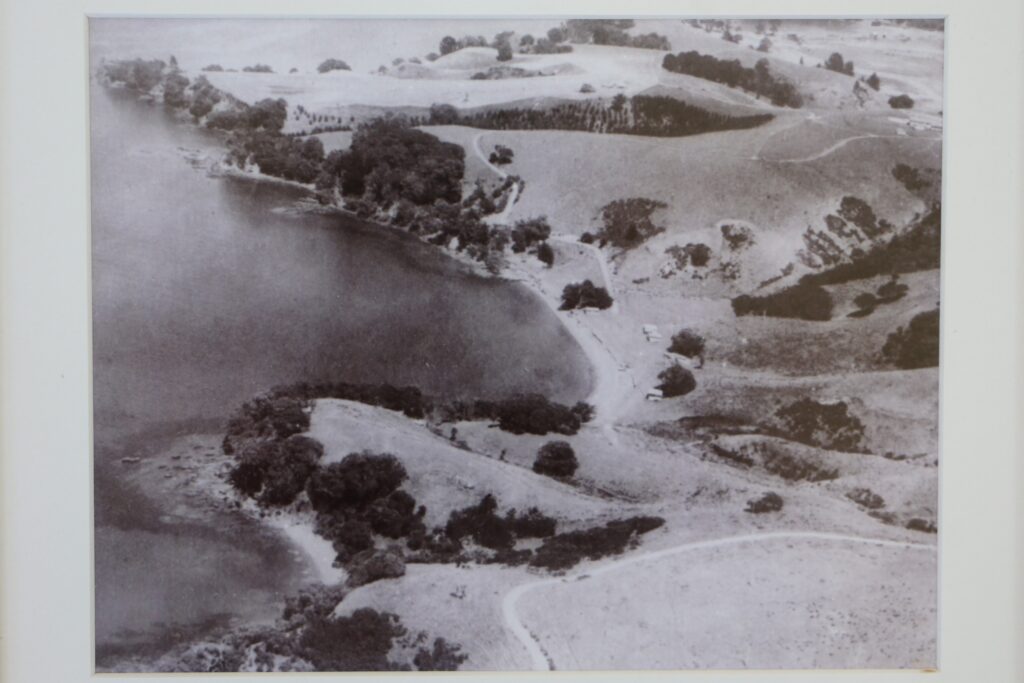
Waikauri Bay trapping project
In 2020, Rosie arranged for Ngaire Wallen and Stewart Halliwell to help install numerous Victor, DOC200 and Timms traps throughout the bay, provided by Takatu LandCare.
There are areas two trapping areas. Peter and Rosie primarily look after the west end, with the support of Peter’s wife,Marian. Alec Isaac maintains the east trapline. Rosie also knows a lot about plants.
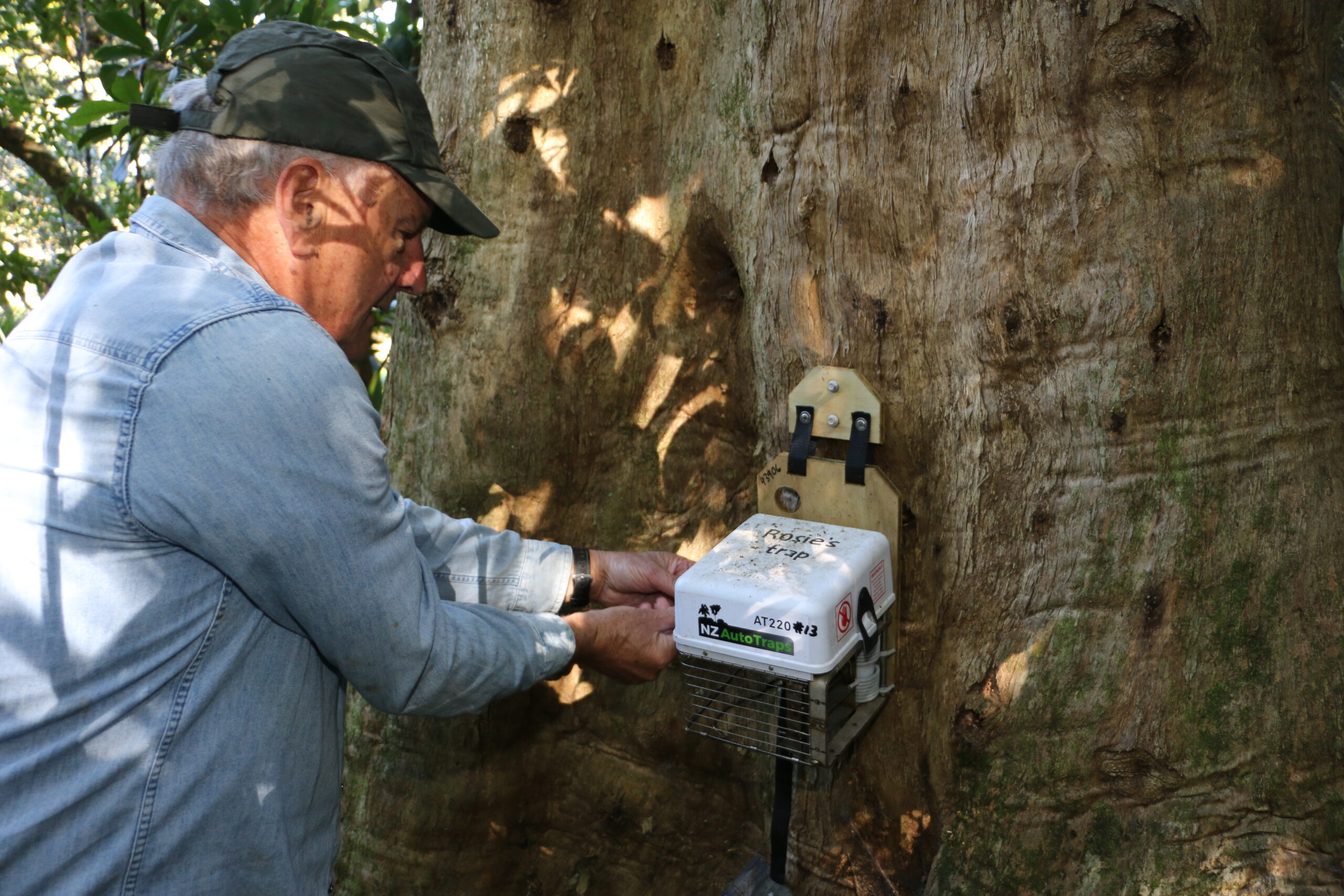
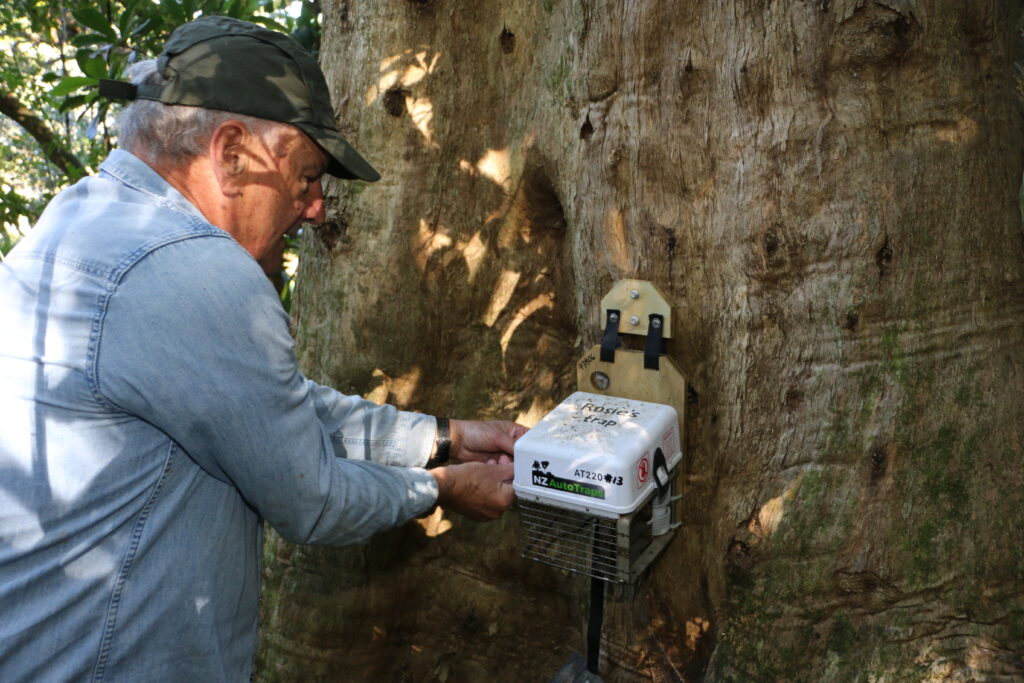
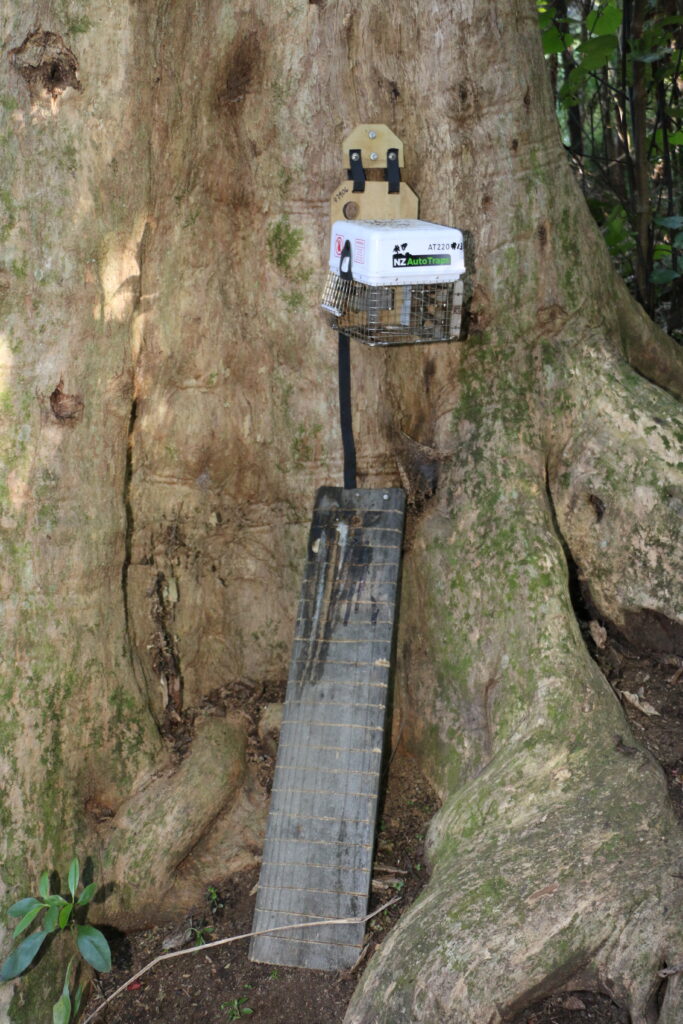
In 2024, the first automatic traps, AT220s, were installed, and there are now 15 installed around the boundaries of Waikauri Bay, creating a buffer zone.
“They are fantastic,” says Peter. “The manual traps average about three kills per year, whereas the AT220s average about 30 kills per year.”
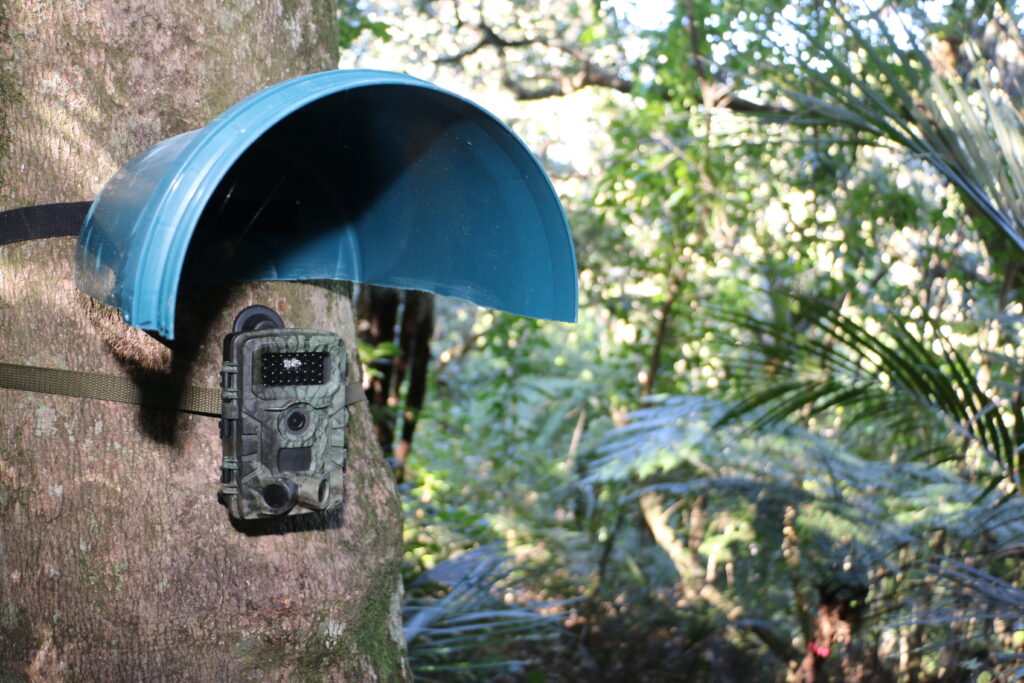
There are cameras on about half to the AT220 traps which helps trapping volunteers learn what is working and what they can change to improve the catch rate. Although the AT220s require minimal maintenance, they are checked every two to four weeks at Waikauri Bay.
“Every now and then a rat will get caught in the trap and needs to be pulled out. Plus, I like to check the cameras.”
Community won over by kiwi at Waikauri Bay
Like many trappers and Takatu LandCare volunteers, Peter’s commitment goes beyond predator control and when he spends a couple of days per week at Waikauri Bay, he also keeps on top of invasive weeds and nurtures native seedlings for future planting. In the past, he hand-cut tracks, removed bits and pieces of old farm fences and water pipelines and installed signs to help visitors understand what they are looking at.
His original plan was to cut the tracks through the bush to make accessing the trapline easier and enjoyable, but he quickly realised that making the bush more open to the neighbours would get more people on board.
“Most people couldn’t get in there before and most of our residents are gobsmacked at how good it is. The tracks have been pretty special. Showing the residents camera footage of kiwi in our bush, that’s really won them over.”
Peter isn’t sure how long kiwi have been in Waikauri Bay, but he and his neighbours think the top-ranked PR bird of Aotearoa has been in the bush for about four years.
“The first kiwi we caught on camera were a pair, digging around for insects. We showed that to the bach owners and they said, ‘WOW’. Kiwi really ignite people.”
Peter put in signs to identify trees and plants mainly because it was a bit of fun, but it helps share knowledge with wanderers.
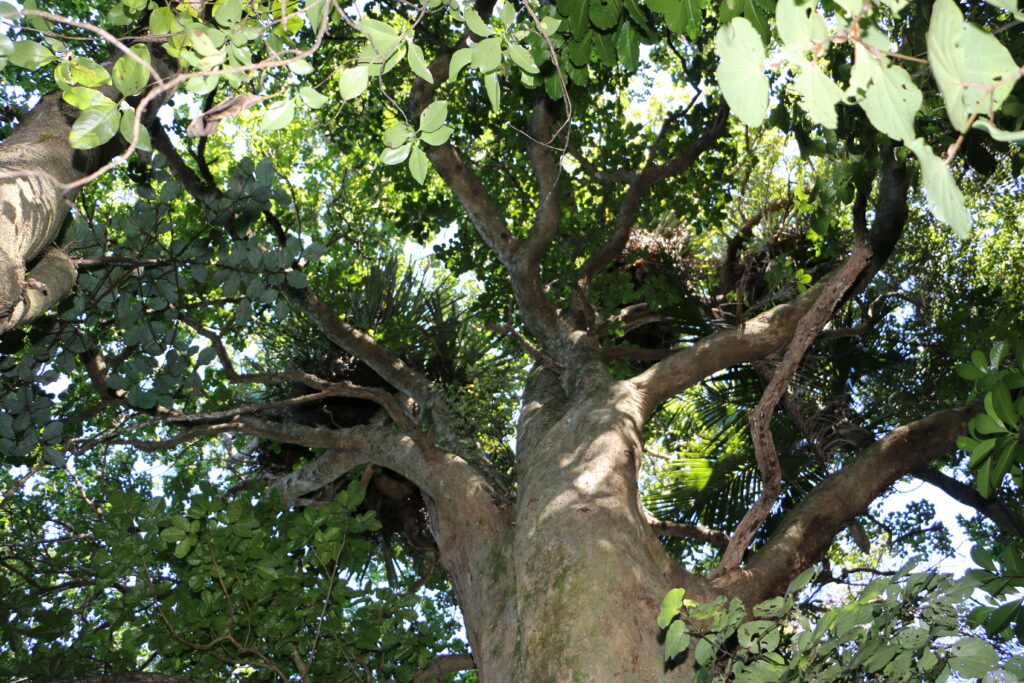
The bush is full of birdsong from tūī, kākā screeches and whistles, swooshes of heavyweight kerurū and chirps of pīwakawaka – flitting about walkers looking for a feed of bugs. Regularly, Alec conducts bird counts and the variety of birdlife he records is impressive.
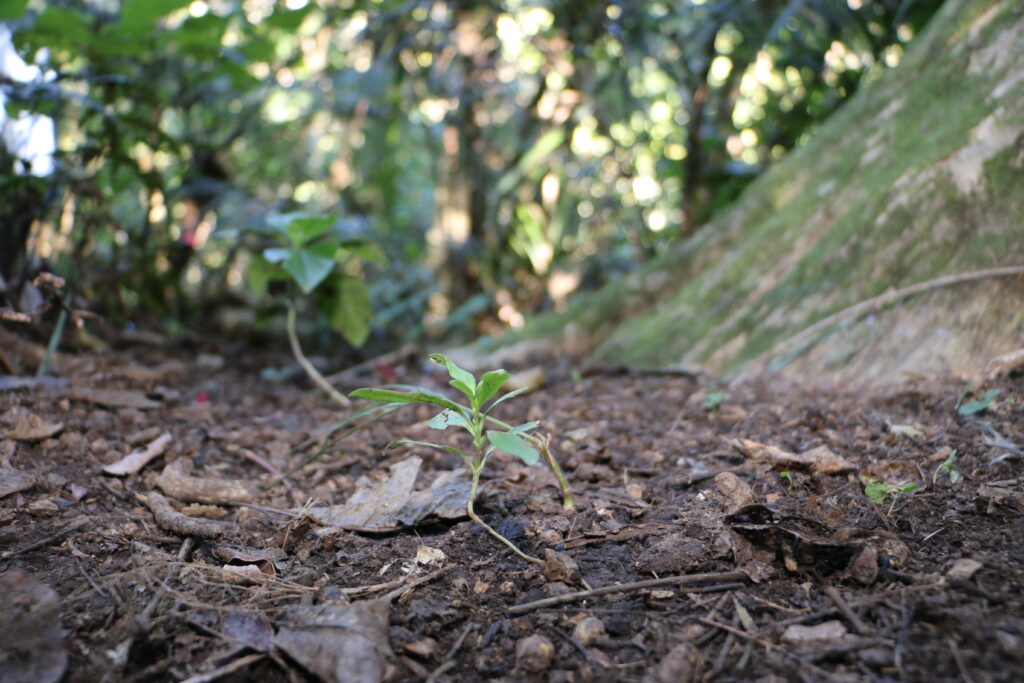
Trapping possums has restored the natural regeneration of the bush and swathes of native seedlings cover the forest floor.
Now, some of the Waikauri Bay bach owners walk the tracks daily, because they like the exercise – getting up and down the step coastal hills is a good workout – but they must also appreciate the beautiful surroundings. They take visitors into the bush, including grandchildren who come to stay during the summer holidays.
Their enjoyment of the regenerated native bush and all that lives in it is undoubtedly testimony of the impact the trapping, weeding and track maintenance is having on present and future generations.
“No one will protect what they don’t care about; and no one will care about what they have never experienced.” ― David Attenborough
Weed control at Waikauri Bay
Weed control is regularly carried out by Alec, Rosie, Paul Catmur and Peter. People in the bay also assist during annual working bees.
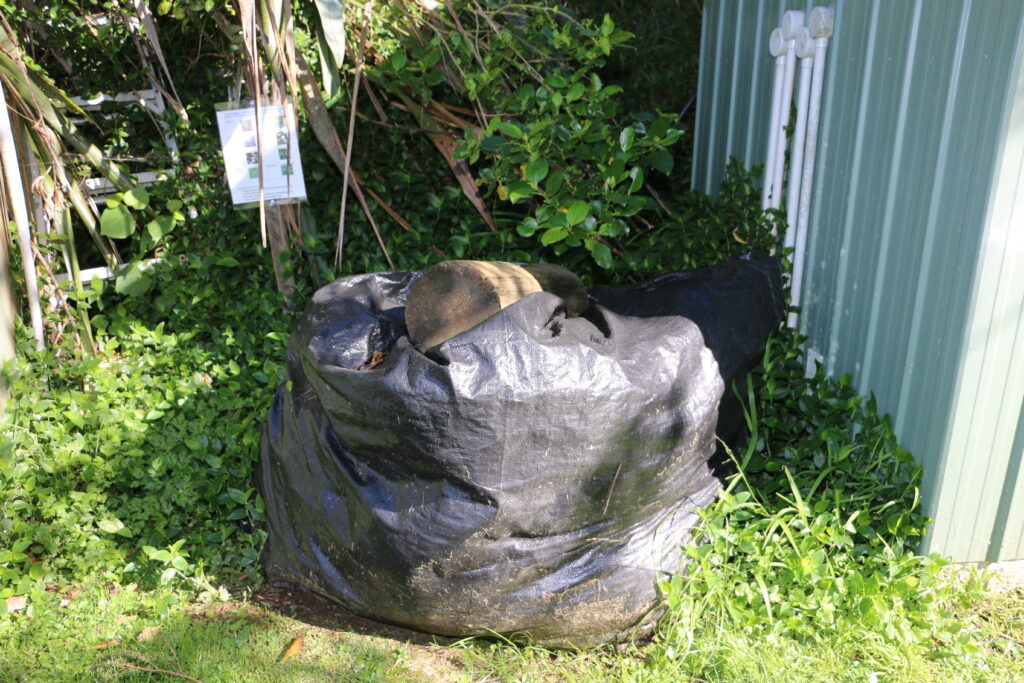
Weed bags are accessible for people to compost appropriate weeds they remove from around the bay.
Funding for Waikauri Bay traps, lures, maintenance and weed control
Every two years, the QEII National Trust inspects the bush at Waikauri Bay and they were so impressed with what they saw that they donated four of the AT220 traps. Auckland Council have also funded an automatic trap.
The bay cooperative have invested in traps, as have individual residents, sometimes when they are unable to contribute their time or have physical limitations, but they can financially support the mahi.
Takatu LandCare supplies Pics peanut butter for traps and coordinated traps via Auckland Council. Some herbicides are supplied by Takatu LandCare, including Granny granules to kill invasive pampas.
The impact of Peter and the dedicated volunteers at Waikauri Bay goes beyond the immediate results, graphs and bird counts.
It’s their vision, their enthusiasm to muck in and learn, that protects and enhances the bush and surrounding environment – now and for the future.